English
 русский
 عربى
عربى



Share

Our team is proud to offer on time guarantee and product guarantee to customer satisfaction.
Read More
Content
Decorative papers are versatile materials used for home décor, furniture finishing, crafts, and industrial applications. Choosing the right pattern and texture is essential for achieving aesthetic appeal and functional performance. Understanding different paper types, finishes, and applications can guide users to make informed decisions.
The pattern of decorative paper defines its visual impact and suitability for specific applications. Patterns can range from simple, subtle designs to intricate, bold graphics, influencing how the paper complements surrounding surfaces and décor.
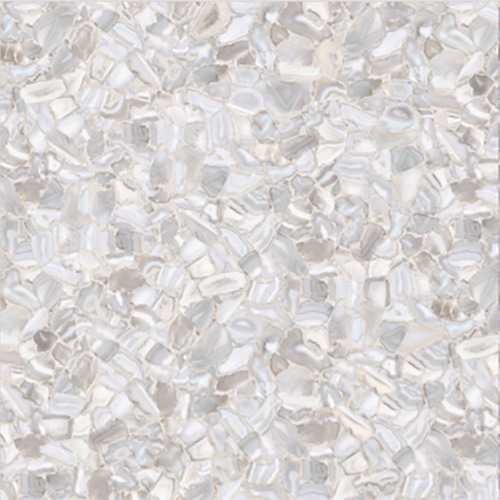
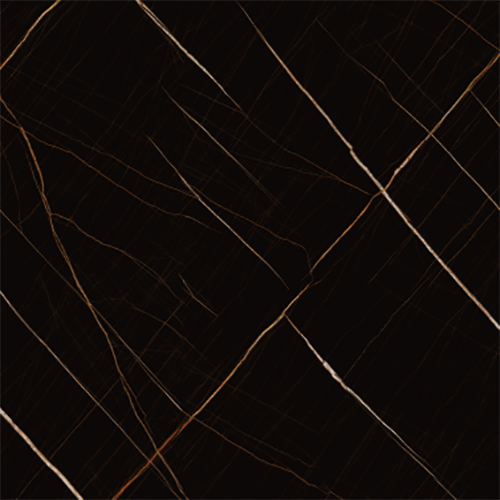
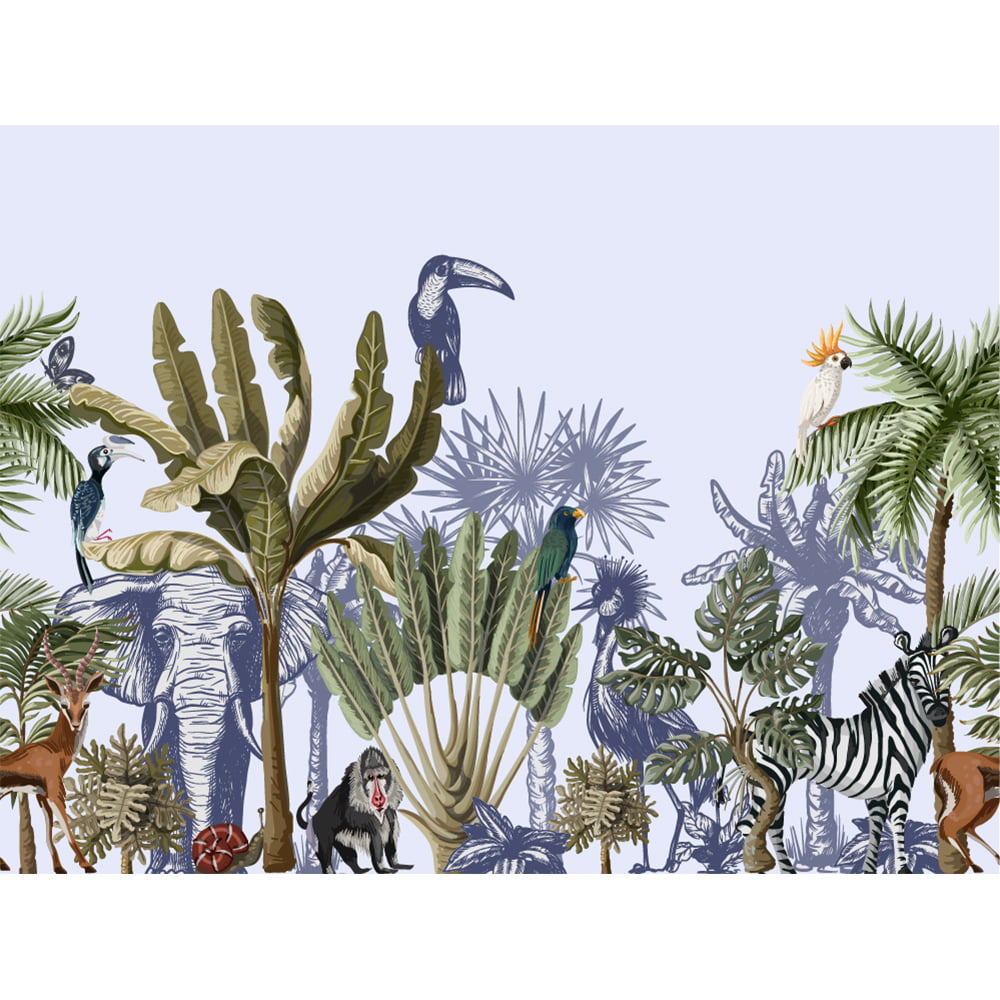
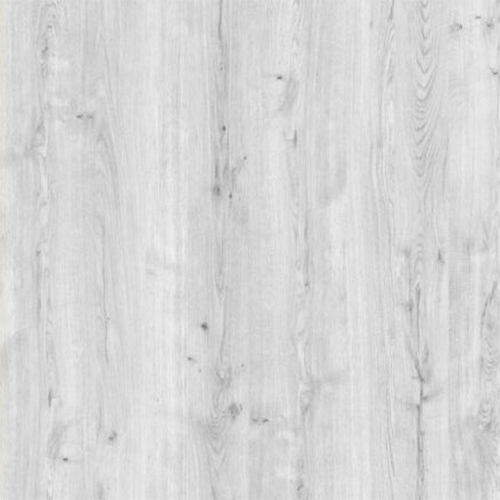
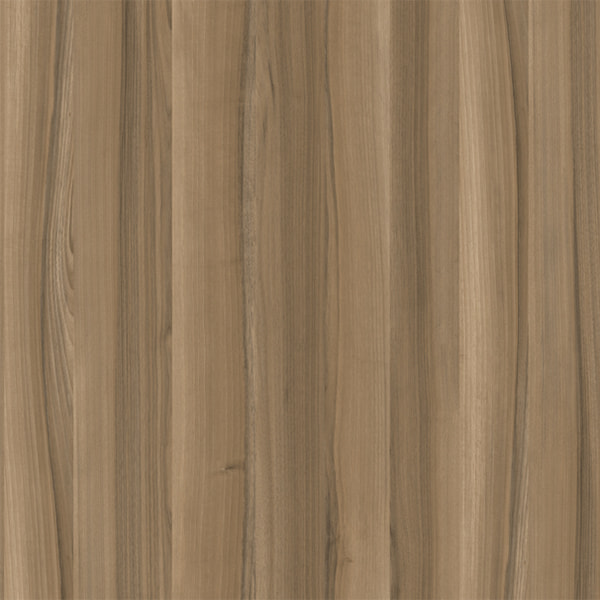
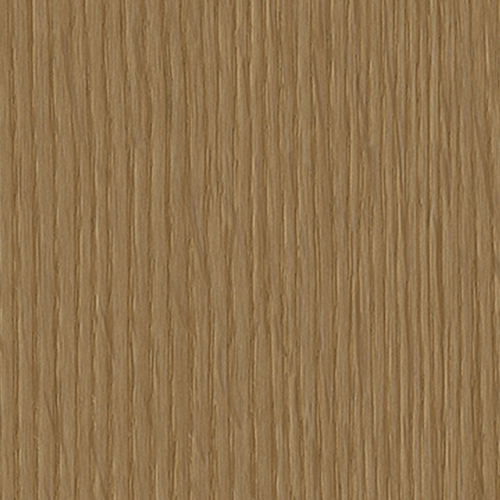
Common patterns include geometric shapes, floral motifs, wood grains, marble effects, and abstract designs. Selecting a pattern depends on the desired aesthetic effect, project scale, and the existing design elements in the space.
Pattern scale affects visual perception. Large-scale patterns create bold focal points, while small-scale patterns provide subtle texture. Orientation, such as horizontal, vertical, or diagonal alignment, also influences the final aesthetic and should be consistent with surrounding design elements.
Texture refers to the surface feel and tactile quality of decorative papers. It affects visual depth, user interaction, and suitability for different applications, including furniture finishing, wall coverings, and crafts.
Decorative papers come in a wide range of textures, including smooth, embossed, matte, glossy, metallic, and specialty finishes like leather or linen effects. Texture selection impacts not only appearance but also durability and cleaning requirements.
Selecting the right combination of pattern and texture is crucial for achieving the desired visual effect. The balance between pattern complexity and texture richness affects the perception of quality and aesthetics.
When combining patterns and textures, consider scale, contrast, and harmony. Bold patterns pair well with subtle textures, while intricate textures may be best with simple patterns. The choice should enhance the overall design without overwhelming the space.
Different applications require specific considerations in pattern and texture selection. Understanding the functional requirements helps ensure long-lasting and visually appealing results.
Pattern and texture selection should also consider environmental and maintenance factors. Some textures may trap dust, while glossy surfaces may require frequent cleaning. Additionally, certain decorative papers are treated to resist moisture, UV light, or abrasion, extending durability.
Textured and patterned papers used in high-traffic or functional surfaces should be resistant to wear and easy to maintain. Laminated or coated papers provide additional protection and preserve the aesthetic over time.
Eco-friendly and recyclable decorative papers are increasingly popular. Consider selecting papers made from sustainable sources, with non-toxic inks and coatings, without compromising aesthetic quality.
Practical tips help users make informed decisions and ensure a successful project outcome.
Selecting the pattern and texture of decorative papers requires balancing aesthetics, functionality, and environmental considerations. By understanding the types of patterns and textures, their applications, and practical guidelines, users can create visually appealing and durable designs for home décor, crafts, furniture, and industrial projects.
 Get Support
We focus on environmentally friendly, healthy, and fashionable home decoration, making your living space shine with unique charm.
Copyright © Hangzhou Xinyue Decorative Materials Co., Ltd. All rights reserved.
Custom Decorative Papers Manufacturers