English
 русский
 عربى
عربى
Share

Our team is proud to offer on time guarantee and product guarantee to customer satisfaction.
Read More
Content
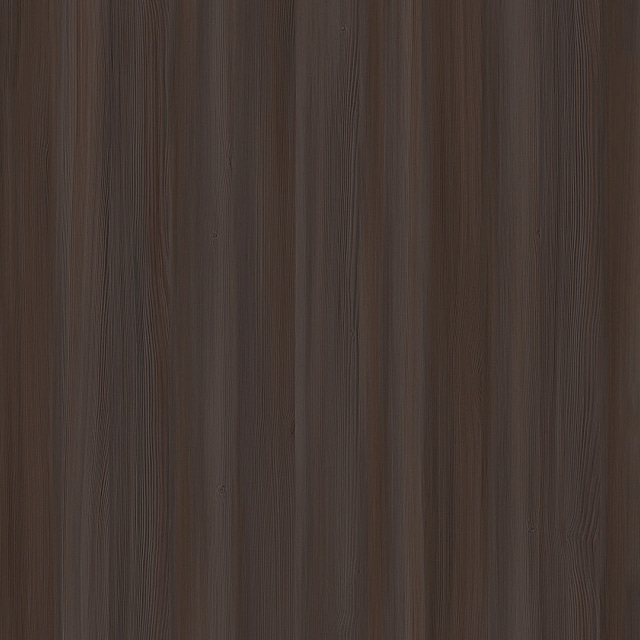
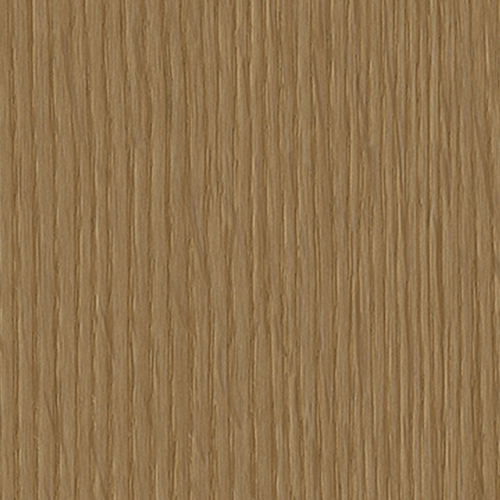
Wood grain decorative papers have revolutionized the furniture and interior design industries by offering a sustainable, cost-effective alternative to solid wood veneers. These engineered surfaces provide consistent aesthetics and superior durability, making them ideal for high-traffic commercial environments and residential applications. The core advantage lies in their ability to replicate rare and expensive wood species with 95% visual accuracy while maintaining a fraction of the cost and environmental impact.
This article delves into the technical composition of these papers, their manufacturing processes, and practical guidelines for selection. By understanding the nuances of base paper quality, ink stability, and resin impregnation, designers and manufacturers can optimize product performance and aesthetic appeal.
High-quality wood grain decorative papers are not merely printed sheets; they are complex composite materials designed for specific functional requirements. The production process involves precise coordination between base paper selection, gravure printing, and melamine resin impregnation.
The foundation of any decorative paper is the base paper, typically made from refined wood pulp. The weight of the paper, measured in grams per square meter (gsm), directly influences its opacity and durability. Standard decorative papers range from 60 to 120 gsm. Heavier papers offer better hide-out of the substrate, preventing the underlying particleboard or MDF from showing through, which is crucial for light-colored wood grains like White Oak or Maple.
After printing, the paper is impregnated with melamine-formaldehyde resin. This step transforms the fragile paper into a robust surface layer. The resin content typically ranges between 50% and 70% of the final weight. Proper impregnation ensures resistance to scratches, stains, and moisture. Under-cured resin leads to poor durability, while over-curing can cause brittleness and cracking during lamination.
| Parameter | Standard Range | Impact on Quality |
|---|---|---|
| Base Paper Weight | 60–120 gsm | Opacity and substrate hide-out |
| Resin Content | 50–70% | Durability and scratch resistance |
| Volatile Content | 4–8% | Flow properties during lamination |
One of the primary advantages of wood grain decorative papers is the unlimited design potential. Unlike natural veneer, which is limited by tree availability and cut patterns, decorative papers can replicate any wood species, color, or grain pattern consistently.
Decorative papers allow designers to use exotic looks such as Ebony, Rosewood, or Teak without the ethical and financial costs associated with harvesting rare timber. Advanced digital printing techniques enable high-definition grain structures that mimic the tactile feel of real wood, including pore details and color variations.
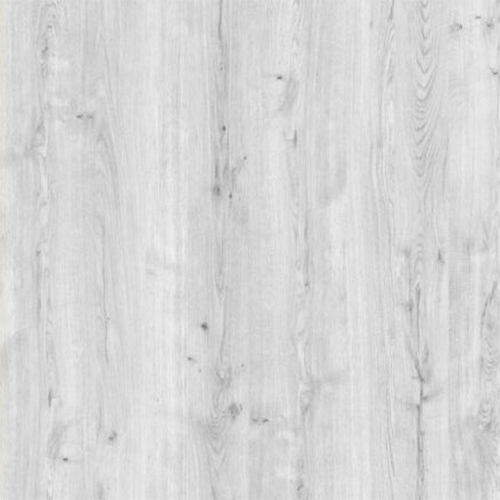
Recent market trends favor light, natural tones such as Scandinavian Oak, Ash, and Birch. These colors create a sense of spaciousness and calm in interior environments. Additionally, synchronized embossing technologies align the physical texture of the laminate with the printed grain pattern, enhancing realism. Synchronized pores can increase the perceived value of the furniture by making it indistinguishable from solid wood at arm's length.
For commercial applications, wood grain decorative papers must meet rigorous performance standards. These tests ensure that the finished laminate can withstand daily wear and tear, cleaning chemicals, and environmental changes.
The Taber Abraser test is the industry standard for measuring wear resistance. For horizontal surfaces like countertops and desks, a rating of AC3 (Abrasion Class 3) or higher is recommended, indicating suitability for moderate commercial use. High-pressure laminates (HPL) often achieve AC4 or AC5 ratings, suitable for heavy traffic areas like airports and hospitals.
Exposure to UV light can cause fading or yellowing in lower-quality papers. High-quality decorative papers use UV-stable inks and resins to maintain color integrity. A Blue Wool Scale rating of 6 or higher indicates excellent light fastness, ensuring that the wood grain appearance remains consistent over years of exposure to natural light.
As sustainability becomes a priority in construction and furniture design, wood grain decorative papers offer a compelling eco-friendly solution. They maximize the utility of wood fibers and reduce the demand for slow-growing hardwoods.
Producing decorative paper requires significantly less raw wood than slicing veneer from logs. One ton of decorative paper can cover approximately 10,000 square meters of surface area, whereas the same amount of wood in veneer form would cover a fraction of that. This efficiency reduces deforestation pressure and promotes the use of fast-growing plantation woods for pulp.
Modern manufacturing processes adhere to strict emission standards. Look for certifications such as E0 or CARB Phase 2 compliance, which guarantee low formaldehyde emissions. These certifications ensure that indoor air quality is not compromised, making decorative laminates safe for homes, schools, and healthcare facilities.
 Get Support
We focus on environmentally friendly, healthy, and fashionable home decoration, making your living space shine with unique charm.
Copyright © Hangzhou Xinyue Decorative Materials Co., Ltd. All rights reserved.
Custom Decorative Papers Manufacturers