English
 русский
 عربى
عربى
Share

Our team is proud to offer on time guarantee and product guarantee to customer satisfaction.
Read More
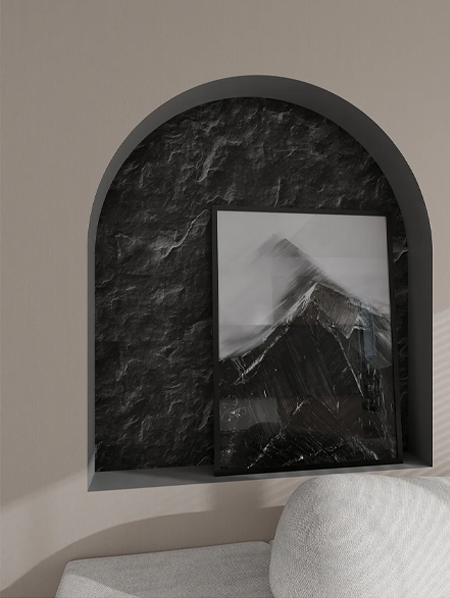
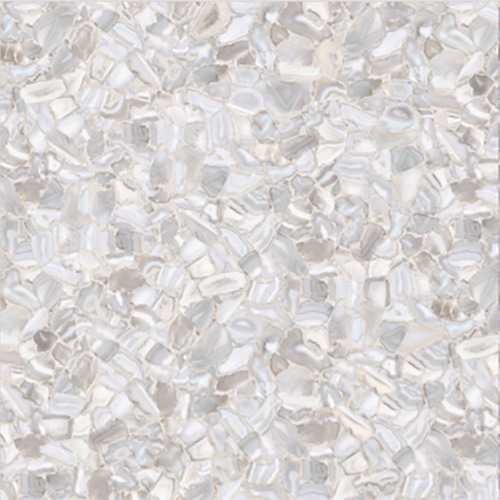
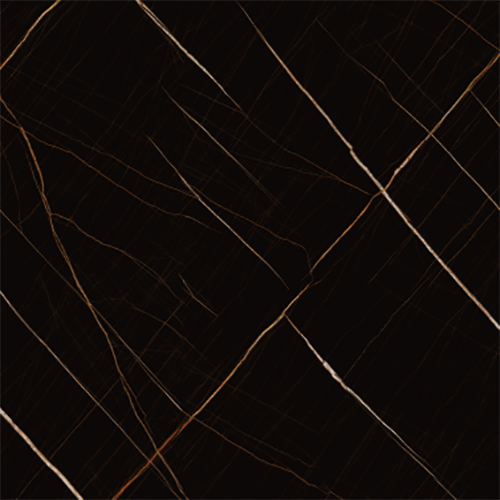
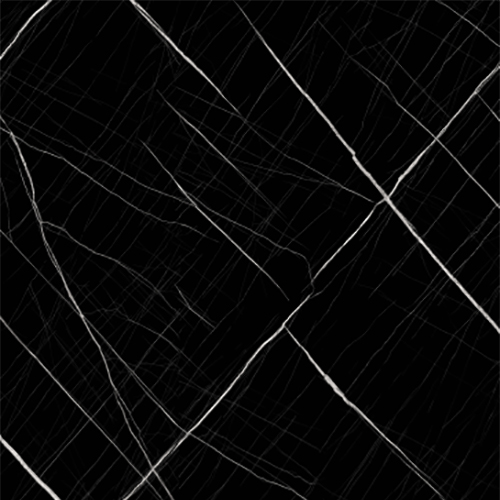
Stone pattern decorative papers have revolutionized interior design by offering the aesthetic grandeur of natural石材—such as marble, granite, and slate—at a fraction of the cost and weight. These high-performance laminates allow architects and homeowners to achieve luxurious stone looks on vertical surfaces, cabinetry, and furniture without the structural limitations or maintenance requirements of real stone. The technology behind these papers has advanced to include realistic texture embossing and high-definition digital printing, making it increasingly difficult to distinguish them from their natural counterparts.
For practical applications, these decorative sheets provide a durable, hygienic, and consistent alternative to natural stone. They are impervious to staining, do not require sealing, and offer uniform coloration, eliminating the unpredictability of natural veining. This makes them an ideal choice for high-traffic commercial spaces and residential projects where budget and consistency are primary concerns.
Content
The visual fidelity of modern stone pattern decorative papers is achieved through sophisticated rotogravure printing and digital inkjet technologies. High-resolution scans of natural stone slabs are used to create printing cylinders that replicate intricate vein structures, color variations, and mineral deposits with exceptional accuracy.
A significant leap in realism is the use of synchronous pore technology, also known as registered embossing. In this process, the textured plate used to emboss the surface aligns perfectly with the printed pattern. For example, if the paper depicts a rough slate, the embossing creates a corresponding tactile roughness exactly where the visual texture appears. This synchronization enhances the sensory experience, making the material feel as authentic as it looks.
Digital printing allows for greater customization and shorter run lengths. Unlike traditional rotogravure, which requires expensive cylinders for each design, digital methods can print variable data, enabling unique, non-repeating patterns over large surface areas. This reduces the "repeat effect" often seen in older laminates, where the same stone pattern visibly recurs every few feet.
Stone pattern decorative papers are typically impregnated with melamine resins, which harden under heat and pressure to form a rigid, protective layer. This thermosetting process results in a surface that is highly resistant to scratches, abrasion, and household chemicals.
| Feature | Stone Pattern Laminate | Natural Marble/Granite |
|---|---|---|
| Stain Resistance | High (Non-porous) | Low (Requires Sealing) |
| Weight | Lightweight | Heavy (Structural Support Needed) |
| Maintenance | Low (Simple Cleaning) | High (Periodic Polishing/Sealing) |
| Cost | $ Low to Medium | $$ High to Very High |
The durability of these papers is often measured using the Abrasion Class (AC) rating. For residential use, an AC3 rating is standard, while commercial environments may require AC4 or AC5 ratings to withstand heavy foot traffic and rolling loads. This versatility makes stone pattern papers suitable for everything from kitchen countertops to hospital wall cladding.
One of the primary advantages of stone pattern decorative papers is their adaptability. They can be applied to various substrates, including particleboard, MDF, plywood, and even metal, allowing for creative freedom in design.
Current trends favor specific stone aesthetics that mimic high-end natural materials:
When using stone pattern decorative papers, edge banding is critical to maintaining the illusion of solid stone. Matching PVC or ABS edge bands with synchronized textures should be used to cover exposed substrate edges. For seamless large-scale applications, such as wall paneling, careful pattern matching is required to ensure continuity across multiple sheets. Digital printing has improved this process by allowing for custom-sized panels that minimize visible seams.
Choosing stone pattern decorative papers over natural stone can have positive environmental implications. Quarrying natural stone is energy-intensive, generates significant waste, and involves heavy transportation logistics due to the material's weight. In contrast, decorative papers are lightweight, reducing carbon emissions during shipping.
Furthermore, many manufacturers now produce decorative papers using sustainably sourced wood pulp and low-emission melamine resins. Certifications such as FSC (Forest Stewardship Council) and E0/E1 emission standards ensure that the materials contribute to healthier indoor air quality. By opting for high-quality laminates, designers can reduce the depletion of natural stone reserves while achieving comparable aesthetic results.
 Get Support
We focus on environmentally friendly, healthy, and fashionable home decoration, making your living space shine with unique charm.
Copyright © Hangzhou Xinyue Decorative Materials Co., Ltd. All rights reserved.
Custom Decorative Papers Manufacturers