English
 русский
 عربى
عربى
Share

Our team is proud to offer on time guarantee and product guarantee to customer satisfaction.
Read More
Content
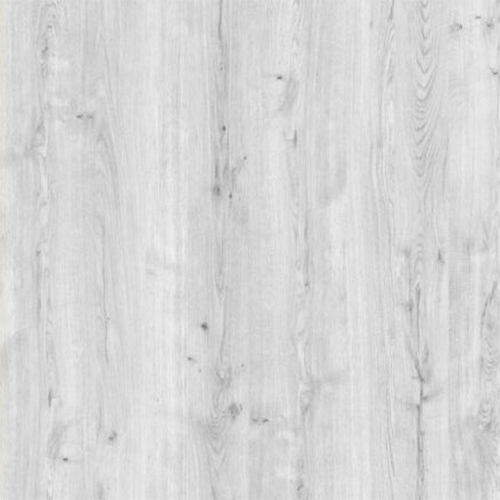
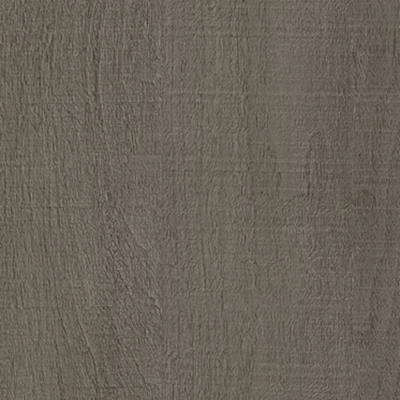
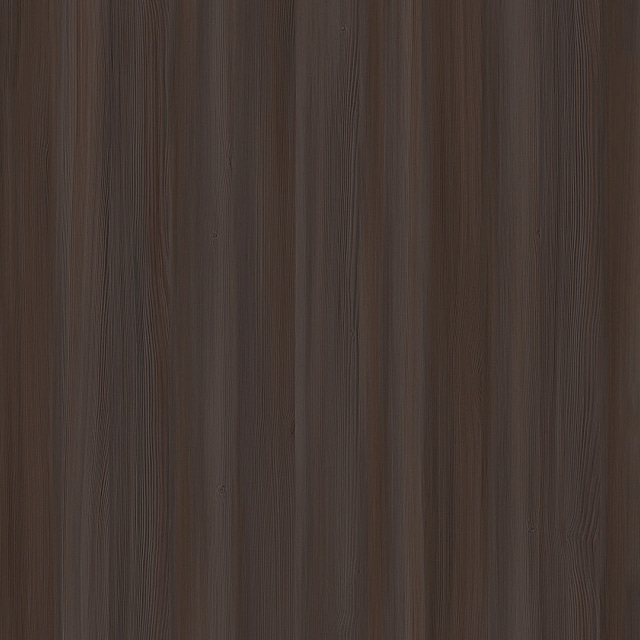
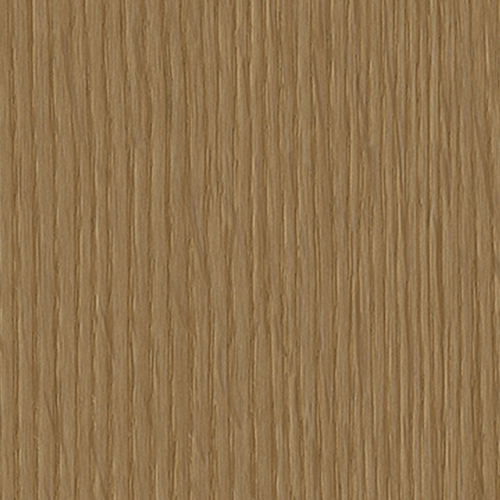
Wood grain decorative papers are specialized printed papers designed to replicate the natural appearance of wood surfaces on various substrates including furniture, flooring, wall panels, and doors. These papers feature high-resolution printing of wood textures combined with protective coatings, offering an economical and sustainable alternative to natural wood veneers while maintaining aesthetic appeal. The global market for decorative papers reached approximately $2.8 billion in 2024, with wood grain patterns representing the largest segment at roughly 45-50% of total production.
Modern wood grain decorative papers utilize advanced printing technologies including gravure, offset, and digital printing to achieve photorealistic wood patterns with tactile surface textures that closely mimic genuine wood grain. These papers typically range from 40-120 gsm (grams per square meter) in weight and are manufactured using treated base papers that accept ink precisely while providing dimensional stability during lamination processes. The papers undergo surface treatments and can be impregnated with melamine or other resins to enhance durability, moisture resistance, and scratch resistance for demanding applications.
The foundation of quality wood grain decorative papers begins with specially formulated base papers manufactured from chemical pulp, typically containing 70-85% bleached hardwood kraft pulp combined with softwood fibers for strength. These base papers undergo extensive refining to achieve uniform formation, controlled porosity, and optimal surface smoothness necessary for high-quality printing. The paper-making process includes sizing treatments with alkyl ketene dimer (AKD) or other sizing agents to control ink absorption and prevent feathering during printing.
Specialized coating formulations are applied to create a printable surface with specific characteristics:
Rotogravure printing dominates wood grain decorative paper production due to its ability to produce continuous patterns at speeds exceeding 300 meters per minute with exceptional detail reproduction. The process employs engraved copper cylinders with cell depths of 30-50 microns that transfer solvent-based or water-based inks onto the base paper. Modern gravure presses feature 6-10 printing stations enabling complex multicolor designs that capture the subtle color variations and grain details found in natural wood species.
Digital printing technology has emerged as an important complement to gravure printing, particularly for:
Pattern development begins with high-resolution photography or scanning of actual wood surfaces, capturing details at resolutions of 1200-2400 dpi. Graphic designers digitally enhance these images to emphasize grain characteristics, adjust color tones, and create seamless repeating patterns. Advanced software can generate infinite pattern variations by algorithmically rearranging grain elements, ensuring that finished products exhibit natural randomness rather than obvious repetition.
After printing, decorative papers receive surface treatments that enhance both aesthetics and functionality. Embossing processes create three-dimensional textures synchronized with printed grain patterns, a technique called "register embossing" or "synchronized embossing" where textured elements align precisely with visual grain features. This synchronization requires sophisticated registration systems maintaining alignment accuracy within ±0.5mm at production speeds.
Common embossing patterns include:
Print decorative papers represent the basic category, consisting of printed base paper without resin impregnation intended for lamination onto substrates using adhesives or heat-activated films. These papers typically weigh 60-80 gsm and are used in applications where the paper will be protected by overlay films or laminated surfaces. Print papers offer flexibility in surface finish selection and are generally more economical, with prices ranging from $0.80-$2.50 per square meter depending on pattern complexity and order volume.
Impregnated decorative papers undergo treatment with melamine-formaldehyde or urea-formaldehyde resins that increase hardness, chemical resistance, and durability. The impregnation process involves saturating the printed paper with resin solution (typically 30-50% solids content) followed by drying at controlled temperatures to achieve B-stage cure with 6-8% moisture content. Impregnated papers enable direct pressing onto substrates without additional adhesives and provide superior performance characteristics including:
| Paper Type | Weight Range (gsm) | Typical Applications | Key Characteristics |
|---|---|---|---|
| Floor Paper | 70-100 | Laminate flooring | High abrasion resistance, UV stability |
| Furniture Paper | 60-80 | Cabinet, furniture surfaces | Good printability, moderate durability |
| Door Paper | 70-90 | Interior doors, moldings | Excellent coverage, deep embossing |
| HPL Paper | 100-120 | High-pressure laminates | Heavy weight, maximum durability |
| Wall Panel Paper | 50-70 | Wall cladding, decorative panels | Lightweight, cost-effective |
Wood grain decorative paper manufacturers maintain extensive pattern libraries replicating dozens of wood species in various stain colors and finishes. Market analysis indicates that oak patterns account for approximately 25-30% of production volume, followed by walnut (15-20%), maple (12-15%), and cherry (8-12%). These percentages reflect both traditional furniture preferences and emerging interior design trends favoring specific wood aesthetics.
Contemporary pattern development has expanded beyond traditional species to include:
Low-pressure lamination represents the most common application method for wood grain decorative papers in furniture and door manufacturing. The process involves bonding impregnated decorative paper to particleboard, MDF, or plywood substrates using short-cycle presses operating at 60-100 bar pressure and temperatures of 170-200°C for 15-25 seconds. This rapid cycle time enables high production volumes with typical line speeds processing 800-1,200 panels per eight-hour shift.
Critical process parameters affecting lamination quality include:
High-pressure laminate (HPL) production utilizes wood grain decorative papers as the visible surface layer over multiple kraft paper layers impregnated with phenolic resin. The assembly undergoes pressing at 70-100 bar pressure and 140-160°C temperature for 60-90 minutes, creating a dense composite material with exceptional durability. HPL achieves superior performance characteristics including impact resistance exceeding 20 inch-pounds, scratch resistance of 4-5H pencil hardness, and excellent dimensional stability.
HPL applications demanding maximum durability include commercial countertops, laboratory work surfaces, retail fixtures, and high-traffic flooring installations. The material thickness ranges from 0.6mm to 1.5mm depending on application requirements, with costs approximately 3-5 times higher than low-pressure laminates but justified by extended service life in demanding environments.
Three-dimensional wrapping technology enables application of wood grain decorative papers to profiled surfaces including door frames, furniture components, and architectural moldings. Membrane presses apply vacuum pressure (6-9 bar) combined with heat (100-140°C) to draw softened decorative paper around complex contours and into recessed details. The process requires specialized papers with controlled elongation properties allowing 10-15% stretch without tearing or pattern distortion.
Adhesive selection proves critical for wrapping applications, with common options including:
Superior wood grain decorative papers exhibit exceptional print fidelity with resolution sufficient to reproduce grain details at 150-200 lines per inch, equivalent to high-quality magazine printing. Color consistency between production runs and across roll widths requires rigorous process control including spectrophotometric measurement maintaining Delta E values below 1.5 for critical color matches. Major manufacturers implement closed-loop color control systems that automatically adjust ink density based on inline scanning feedback.
Pattern registration accuracy ensures that multicolor prints align precisely, with tolerance specifications typically requiring registration within ±0.3mm at production speeds. Misregistration creates blurred grain edges and compromises realistic appearance, particularly visible in high-contrast patterns featuring dark grain lines against light backgrounds. Quality assurance protocols include regular registration checks using automated vision systems that detect deviations and trigger press adjustments.
Industry standards define critical physical properties that decorative papers must achieve for successful application:
| Property | Test Method | Typical Requirement | Premium Grade |
|---|---|---|---|
| Tensile Strength | ISO 1924 | ≥35 N/15mm (MD) | ≥45 N/15mm (MD) |
| Tear Resistance | ISO 1974 | ≥200 mN | ≥300 mN |
| Opacity | ISO 2471 | ≥92% | ≥95% |
| Light Fastness | ISO 105-B02 | ≥Level 5 | ≥Level 6 |
| Surface Smoothness | ISO 8791-4 | 300-500 Bekk sec | 400-600 Bekk sec |
Modern wood grain decorative papers must meet stringent environmental regulations including formaldehyde emission limits below 0.1 ppm (E0 standard) or 0.05 ppm (CARB Phase 2) for impregnated papers used in interior applications. Manufacturers achieve these levels through low-formaldehyde or formaldehyde-free resin systems including melamine-urea-formaldehyde (MUF) resins with optimized formaldehyde-to-urea ratios or non-formaldehyde alternatives such as polyurethane dispersions.
Additional environmental certifications sought by premium manufacturers include:
Furniture manufacturers typically select decorative papers in the 60-80 gsm range with moderate impregnation levels balancing performance with cost considerations. Residential furniture applications prioritize aesthetic qualities including pattern variety, color matching capabilities, and surface texture options over extreme durability requirements. Critical selection factors include coverage capacity (opacity) ensuring complete concealment of substrate color variations, and flexibility to accommodate curved or profiled surfaces during membrane pressing operations.
For kitchen cabinetry and bathroom vanities exposed to moisture and cleaning chemicals, upgraded papers with enhanced moisture resistance become necessary. These applications benefit from melamine-impregnated papers achieving water absorption below 8% and resistance to common household cleaners including ammonia-based glass cleaners, bleach solutions at 5% concentration, and citrus-based degreasers without surface damage after 24-hour exposure.
Laminate flooring demands the most demanding decorative paper specifications due to foot traffic wear, furniture impacts, and prolonged UV exposure from sunlight. Floor papers typically range from 70-100 gsm with heavy melamine impregnation achieving resin content of 45-55% after drying. The papers must withstand abrasion testing showing minimal wear after 6,000+ revolutions on Taber abrader using CS-10 wheels under 1000g load, corresponding to AC3-AC4 abrasion class ratings for residential and light commercial applications.
Light fastness requirements prove especially critical for flooring, with specifications demanding Blue Wool Scale ratings of 6-7 ensuring minimal color fade after years of sunlight exposure. Wide-format patterns measuring 7-9 inches simulate contemporary wide-plank flooring aesthetics, while embossing synchronized to grain patterns creates authentic hand-scraped or wire-brushed surface textures popular in rustic and farmhouse design trends.
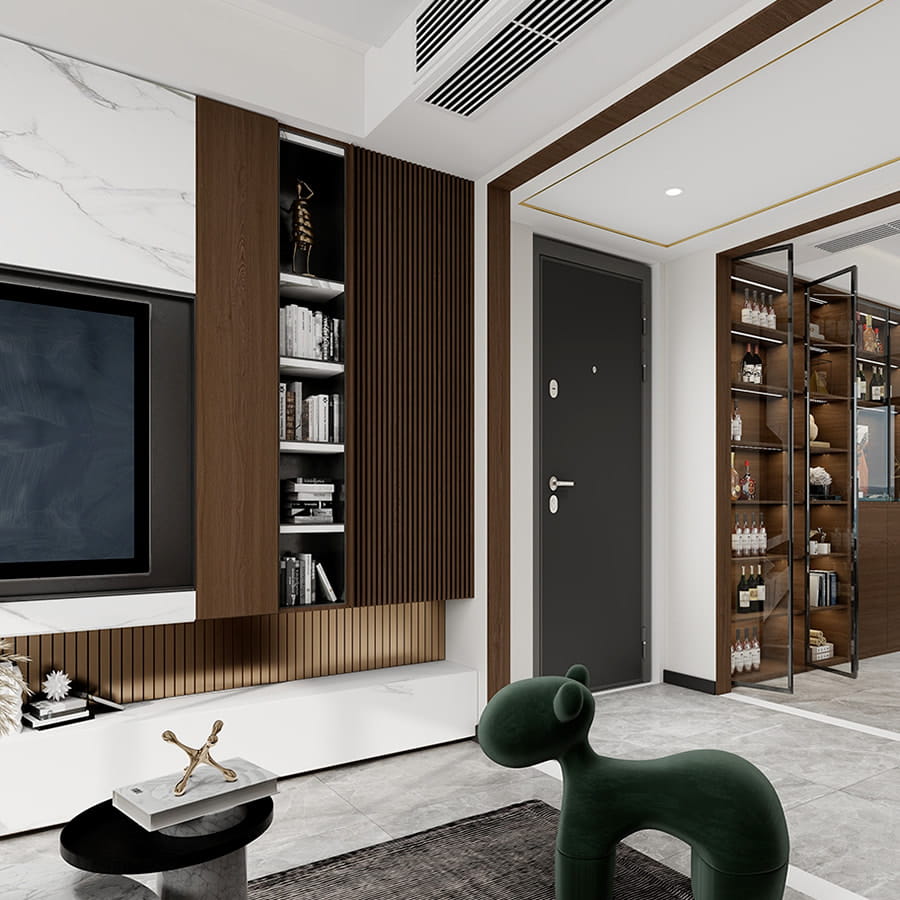
Commercial interior applications including wall panels, ceiling systems, and architectural millwork increasingly utilize wood grain decorative papers as cost-effective alternatives to wood veneers. These applications often specify flame-retardant treated papers meeting Class A or Class B fire ratings per ASTM E84 testing, achieved through phosphate or halogen-based flame retardant additives incorporated during base paper manufacturing or resin impregnation.
Large-format applications benefit from papers available in jumbo roll widths up to 1,830mm (72 inches) reducing seaming requirements and improving installation efficiency. Pattern repeat lengths extending to 2,000-3,000mm enable more naturalistic grain flow across large surfaces, while edge-matching capabilities allow multiple sheets to align seamlessly creating continuous wood grain appearances across extensive wall installations.
Digital printing technology has revolutionized decorative paper production by enabling economical short runs starting from 500-1,000 square meters compared to traditional gravure minimums of 10,000-50,000 square meters. Single-pass digital presses utilizing UV-curable or latex inks achieve production speeds of 50-100 meters per minute with resolutions of 1200x1200 dpi, delivering quality approaching gravure standards. This flexibility allows furniture manufacturers to offer customized wood finishes, limited edition collections, and rapid response to changing design trends without significant inventory commitments.
Advanced software enables infinite pattern variation eliminating visible repeats that compromise realistic appearance. Algorithmic pattern generation creates unique grain sequences for each production run, ensuring that adjacent cabinet doors or floor planks display natural randomness rather than identical repeated motifs. Some manufacturers offer online customization platforms where designers specify wood species, stain color, grain scale, and texture preferences to generate unique patterns for individual projects.
Environmental sustainability drives significant innovation in decorative paper development, with manufacturers increasing recycled fiber content to 30-50% while maintaining quality standards previously achievable only with virgin fibers. Advanced pulping and de-inking processes enable production of high-brightness base papers from post-consumer waste, reducing environmental impact while meeting cost reduction objectives. Bio-based resin systems derived from plant oils and lignin offer alternatives to petroleum-based melamine and formaldehyde chemistry, though commercial adoption remains limited by higher costs and performance compromises.
Water-based ink systems have largely replaced solvent-based formulations in decorative paper printing, reducing VOC emissions by over 90% and eliminating hazardous air pollutants. These inks achieve comparable performance to solvent systems including excellent light fastness, chemical resistance, and adhesion properties while significantly improving workplace safety and environmental profiles. Some manufacturers have achieved carbon-neutral production through renewable energy adoption, process optimization reducing energy consumption by 25-35%, and carbon offset programs.
Contemporary decorative papers increasingly incorporate special effects elevating realism beyond basic wood grain replication. Techniques include:
Wood grain decorative paper pricing varies significantly based on specifications, with standard furniture-grade papers ranging from $0.80-$2.00 per square meter while premium floor papers with advanced features cost $2.50-$4.50 per square meter. Volume commitments substantially impact pricing, with bulk orders exceeding 100,000 square meters receiving discounts of 20-30% compared to small lot purchases. Custom patterns incur additional costs of $3,000-$8,000 for gravure cylinder engraving plus setup fees, economical only for volumes exceeding 20,000-30,000 square meters.
Economic advantages compared to wood veneer prove compelling for mass production:
Total cost of ownership calculations must account for yield rates, with decorative papers achieving material utilization of 92-96% compared to 75-85% for wood veneers due to defects, grain matching requirements, and handling damage. Labor costs also favor decorative papers through simplified handling, faster application processes, and reduced skilled labor requirements compared to veneer bookmatching and joining operations.
Proper storage conditions prove essential for maintaining decorative paper quality and processing performance. Papers should be stored in climate-controlled environments maintaining temperature of 18-25°C (64-77°F) and relative humidity of 45-65% to prevent moisture-related dimensional changes or excessive dryness causing brittleness. Impregnated papers require particular attention as resin shelf life typically ranges 6-12 months under optimal conditions, with gradual advancement (pre-cure) occurring even during storage.
Critical handling procedures include:
Quality control testing before production runs should verify moisture content using calibrated moisture meters, confirm resin advancement through acetone extraction tests for impregnated papers, and assess surface characteristics including smoothness and ink adhesion. These precautions prevent processing failures, finished product defects, and material waste from degraded or improperly stored decorative papers.
 Get Support
We focus on environmentally friendly, healthy, and fashionable home decoration, making your living space shine with unique charm.
Copyright © Hangzhou Xinyue Decorative Materials Co., Ltd. All rights reserved.
Custom Decorative Papers Manufacturers