English
 русский
 عربى
عربى
Share

Our team is proud to offer on time guarantee and product guarantee to customer satisfaction.
Read More
Content
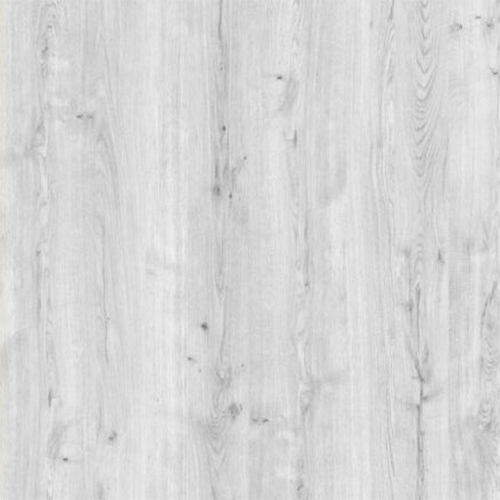
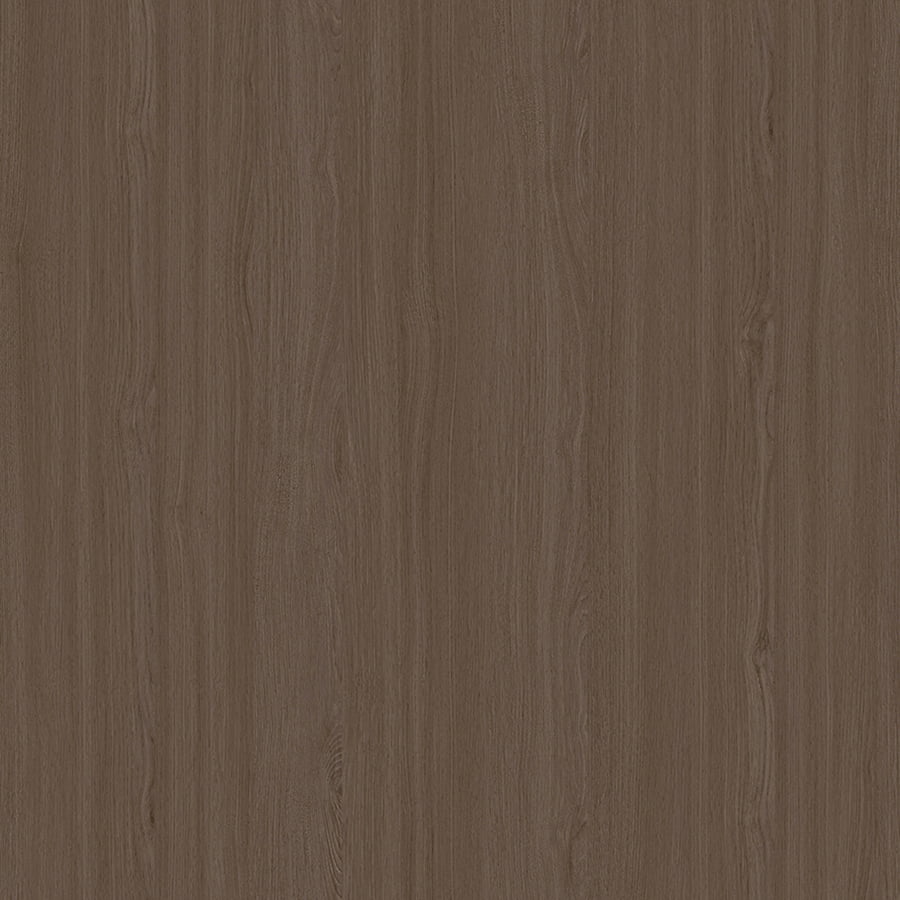
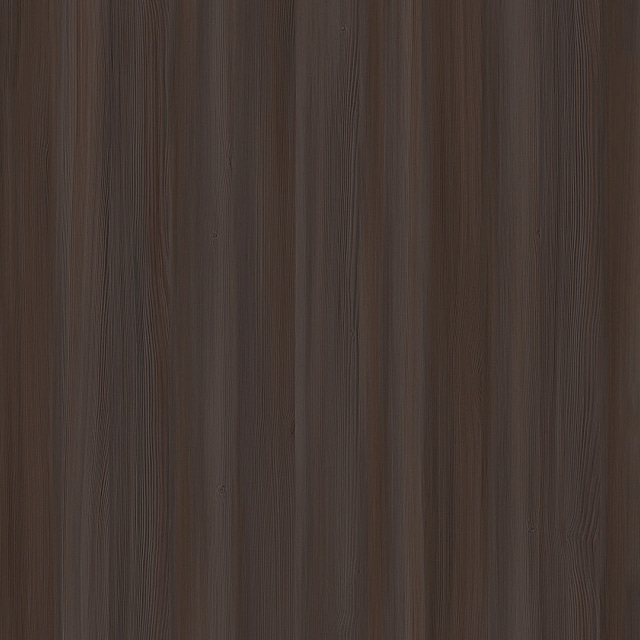
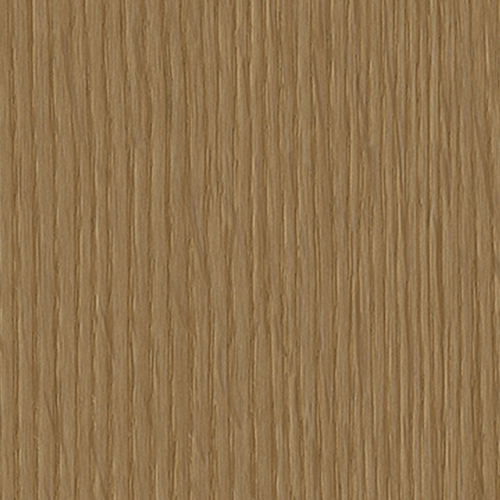
These papers begin as high-purity kraft or alpha-cellulose base sheets, digitally or rotogravure-printed with photorealistic wood patterns—oak, walnut, teak, cherry—and then impregnated with thermosetting resins like melamine or urea-formaldehyde. The final product is bonded under heat and pressure to substrates such as MDF, particleboard, or plywood, creating a seamless, durable surface that requires no finishing.
The visual quality of wood grain decorative papers hinges on printing precision. Traditional rotogravure printing uses engraved cylinders to deposit ink with micron-level accuracy, ideal for large-volume runs with consistent color. However, digital inkjet printing has revolutionized the field—enabling short runs, custom designs, and hyper-realistic effects like knots, grain depth, and even weathering.
Leading manufacturers now combine 6–8 color channels with stochastic screening to eliminate banding and achieve >95% spectral match to real wood samples under D65 lighting (CIEDE2000 ΔE < 2.0). Some premium lines even incorporate synchronized embossing—where the printed grain aligns perfectly with a 3D surface texture—creating a tactile experience indistinguishable from solid timber.
Not all wood grain papers perform alike. The choice of resin determines durability, application method, and end-use suitability:
| Resin Type | Curing Method | Best For | Limitations |
|---|---|---|---|
| Melamine | Heat & pressure (LPL/HPL) | Furniture, countertops | Not repairable; edges require banding |
| Urea-formaldehyde | Cold press or low-temp cure | Interior doors, wall panels | Lower moisture/scratch resistance |
| Phenolic (backer) | High-pressure lamination | HPL core layer | Not decorative; used for stability |
For high-traffic environments like offices or retail, melamine-impregnated papers with aluminum oxide overlays are strongly recommended.
Beyond traditional oak or maple, wood grain papers now mimic rare species (e.g., zebrawood, bubinga), reclaimed textures, and even non-wood looks like concrete or fabric—all while maintaining the warmth of wood. Designers can specify grain direction, color tone (light-washed to espresso), and surface finish (matte, gloss, or textured).
Performance is quantified through international standards. EN 438 (for laminates) and ANSI A208.1 (for particleboard) define key metrics:
- Abrasion resistance: ≥500 cycles (Taber CS-10 wheels, 1 kg load) for commercial use
- Lightfastness: ISO 105-B02 Grade 6+ (minimal fading after 200 hours xenon exposure)
- Stain resistance: Passes 24-hour exposure to coffee, wine, and acetone per EN 438-2
Always request test reports matching your intended application—a paper suitable for bedroom wardrobes may fail in a kitchen environment due to humidity and thermal cycling.
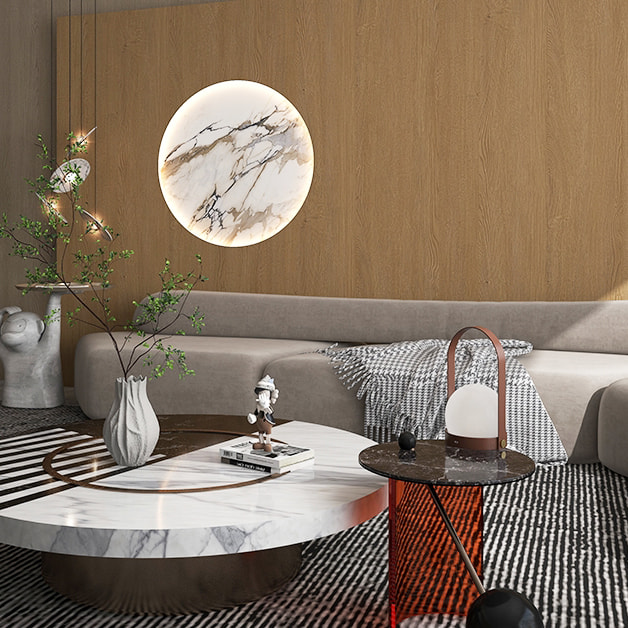
Modern wood grain papers meet stringent environmental criteria. Formaldehyde emissions are capped at ≤0.05 ppm (CARB Phase 2, EU E1), and many are certified under FSC, PEFC, or Cradle to Cradle. Water-based inks and bio-resins (e.g., lignin-modified melamine) are reducing reliance on petrochemicals.
However, recyclability remains limited—thermoset resins prevent re-melting. Best practice is to design for disassembly or specify take-back programs from manufacturers like EGGER or Pfleiderer, who reclaim post-industrial waste for energy recovery.
Even the highest-quality paper fails if improperly applied. Key errors include:
Always follow the supplier’s technical data sheet for resin solids content, drying temperature, and press cycle times.
The next generation of wood grain decorative papers integrates functionality with aesthetics. Examples include photocatalytic TiO₂ coatings that break down VOCs under light, conductive inks for embedded touch controls, and phase-change materials that regulate surface temperature. Digital twins—where each roll carries a QR code linking to its LCA data—are also emerging for transparent sourcing.
As technology advances, wood grain decorative papers are evolving from passive coverings to active, intelligent surfaces—proving that sustainability, beauty, and performance can coexist in engineered wood products.
 Get Support
We focus on environmentally friendly, healthy, and fashionable home decoration, making your living space shine with unique charm.
Copyright © Hangzhou Xinyue Decorative Materials Co., Ltd. All rights reserved.
Custom Decorative Papers Manufacturers