English
 русский
 عربى
عربى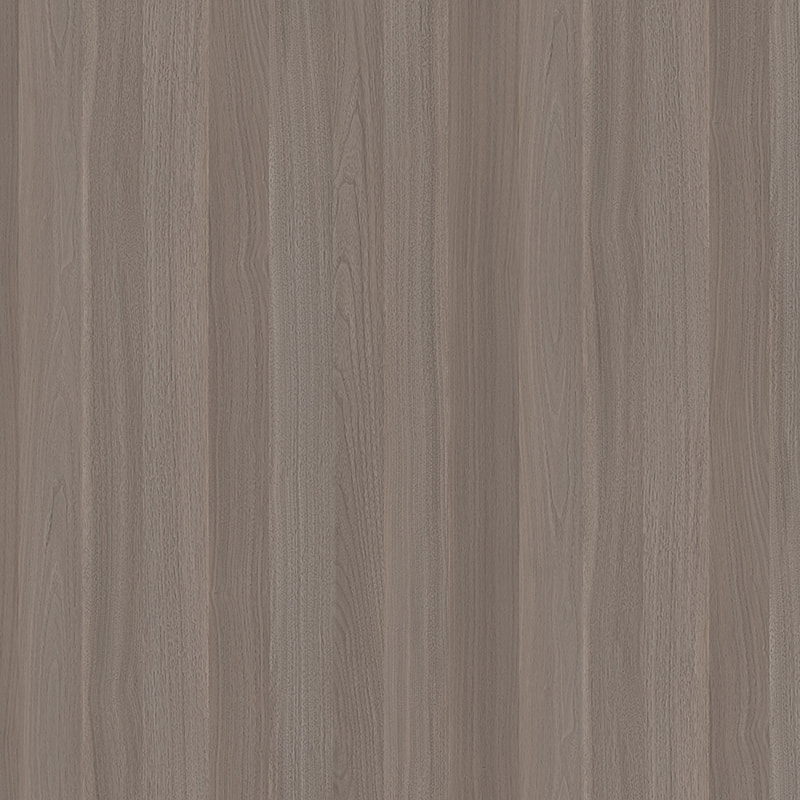
Share

Our team is proud to offer on time guarantee and product guarantee to customer satisfaction.
Read More
Content
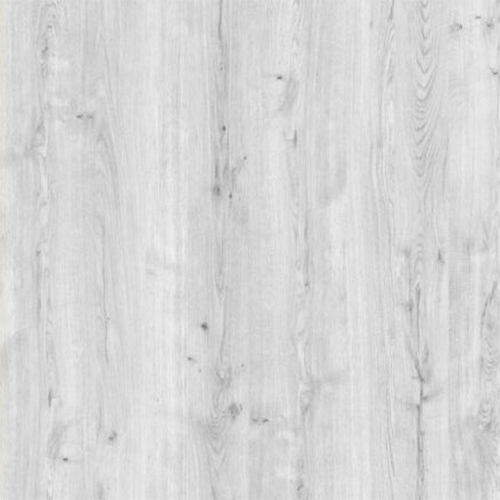
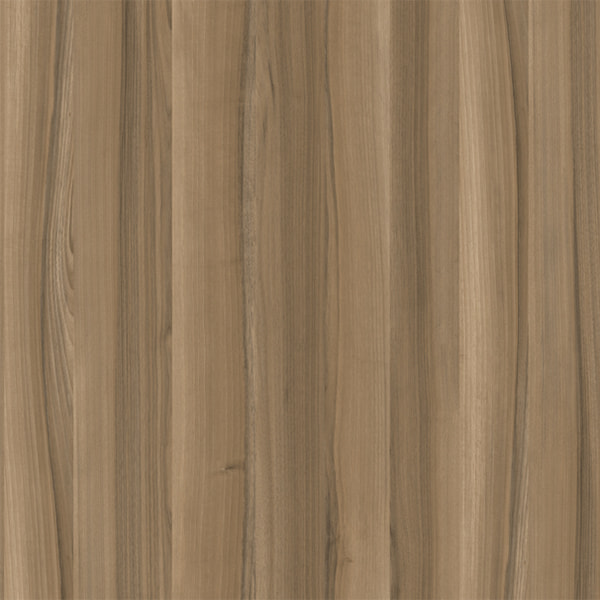
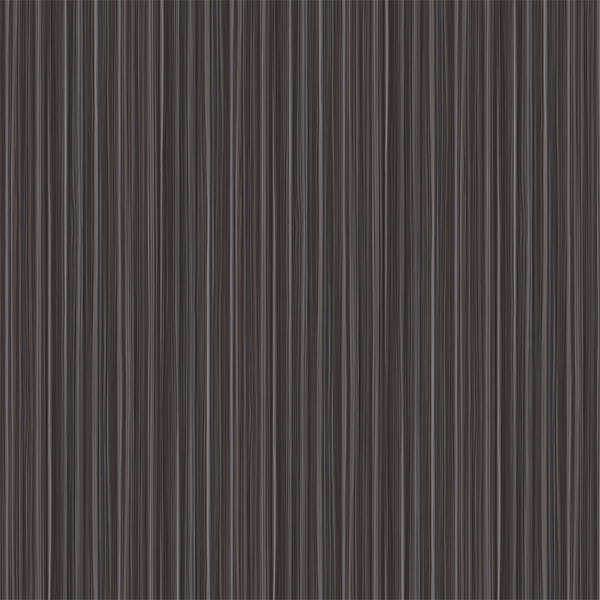
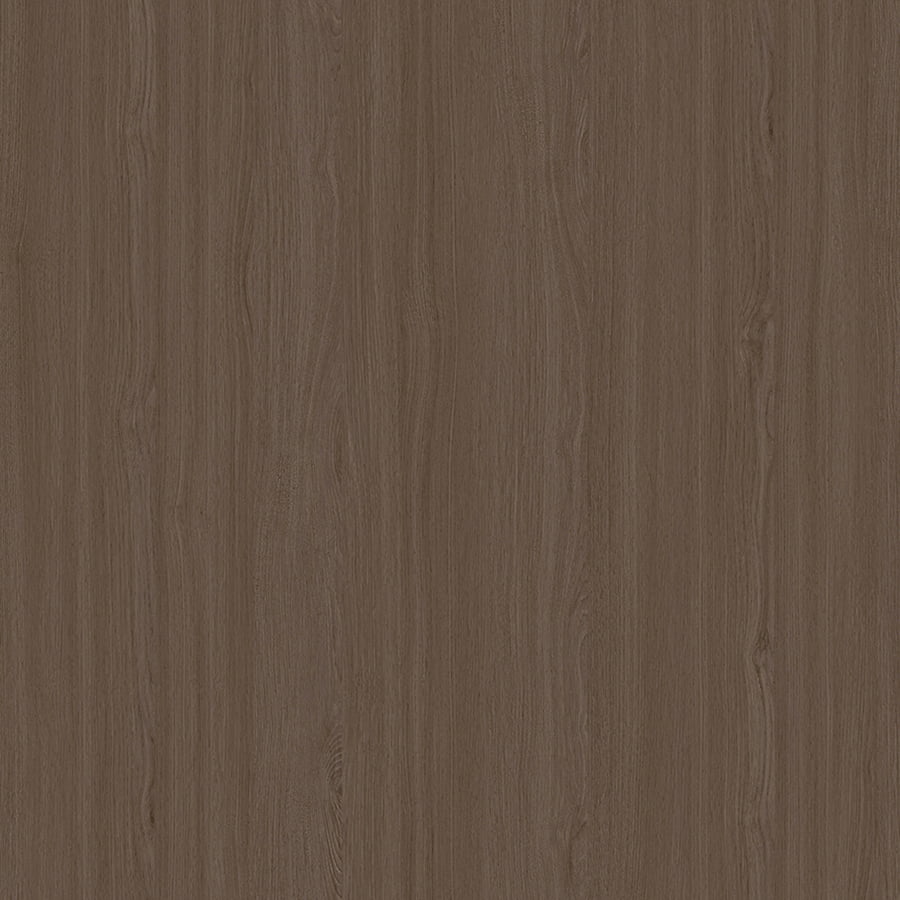
Wood grain decorative papers provide a cost-effective and sustainable alternative to solid timber, delivering high-fidelity aesthetic replication with superior dimensional stability. By utilizing advanced rotogravure printing and resin impregnation technologies, these papers achieve wear resistance ratings of AC3–AC5 (EN 13329) while reducing material costs by 40–60% compared to natural veneers. They are the foundational layer in modern laminates, melamine-faced boards, and direct-print furniture surfaces.
Unlike solid wood, which is prone to warping, cracking, and color inconsistency, decorative papers offer batch-to-batch color uniformity and can be engineered for specific environmental conditions, such as high-humidity bathrooms or UV-exposed outdoor cabinetry. This makes them indispensable for mass-produced furniture, retail fixtures, and architectural millwork where consistency and durability are paramount.
Not all wood grain papers are created equal. The performance and application depend heavily on the base paper quality, ink type, and resin saturation levels. The three primary categories are:
| Type | Base Material | Resin Content | Primary Application |
|---|---|---|---|
| Melamine Impregnated | High-quality alpha cellulose | 60–70% Melamine Formaldehyde | HPL, MDF facing, particleboard lamination |
| PVC Foil/Wrap | Paper backed with Polyvinyl Chloride | N/A (Plastic Layer) | 3D vacuum pressing, curved profiles, door skins |
| Direct Print (Raw) | Uncoated or lightly sized paper | None (UV/PU Topcoat applied later) | Direct printing on MDF, low-pressure laminates |
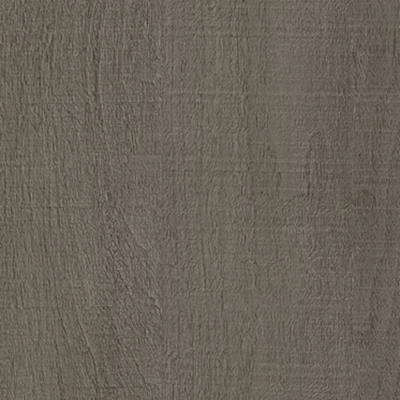
The visual success of wood grain decorative papers hinges on the synchronization between printed grain patterns and physical surface textures. Modern manufacturing employs Embossing-in-Register (EIR) technology, where the steel plate texture aligns precisely with the printed wood pores, knots, and saw marks.
Without EIR, the surface feels smooth despite a visual grain, breaking the illusion. With EIR, the tactile feedback matches the visual data, achieving a realism score of 90–95% compared to natural wood when viewed at arm's length. Designers should specify:
Decorative papers must withstand mechanical abrasion, chemical spills, and thermal stress. Industry standards define these limits through rigorous testing protocols:
Properly installed wood grain decorative papers require minimal maintenance. Avoid abrasive cleaners that can degrade the melamine overlay. For high-traffic areas, select papers with anti-fingerprint coatings, which reduce oil retention by 40% and simplify cleaning. Expected service life for AC4-rated surfaces in commercial settings exceeds 10 years with no significant aesthetic degradation.
The shift toward wood grain decorative papers is driven partly by environmental regulations and resource scarcity. Using decorative papers reduces the demand for slow-growing hardwoods by preserving 15–20 trees per ton of paper produced when compared to solid wood veneer consumption.
Modern production facilities utilize water-based inks and solvent-free impregnation processes, reducing VOC emissions by up to 90%. Furthermore, the core substrates (MDF, particleboard) often contain 80–90% recycled wood fiber. When selecting suppliers, prioritize those with FSC Chain of Custody certification for the base paper and ISO 14001 environmental management credentials. This ensures that the aesthetic appeal of wood grain does not come at the expense of forest conservation or ecological health.
 Get Support
We focus on environmentally friendly, healthy, and fashionable home decoration, making your living space shine with unique charm.
Copyright © Hangzhou Xinyue Decorative Materials Co., Ltd. All rights reserved.
Custom Decorative Papers Manufacturers