English
 русский
 عربى
عربى
Share

Our team is proud to offer on time guarantee and product guarantee to customer satisfaction.
Read More
Content
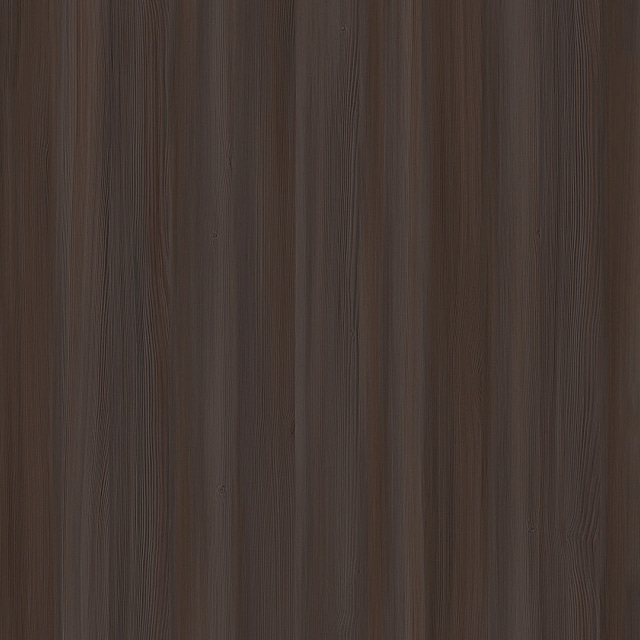
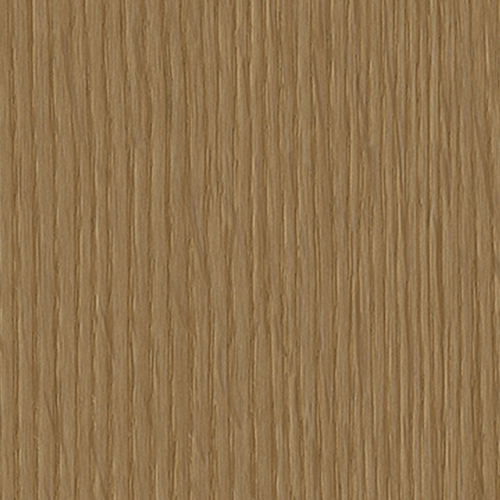
Flat synchronize door décor papers are specialized surfacing materials designed to create a continuous, uninterrupted visual flow across door surfaces and adjacent cabinetry. Unlike standard decorative laminates where the grain pattern may reset or appear disjointed at seams, synchronized papers are engineered to maintain grain continuity, offering a high-end, custom wood appearance at a fraction of the cost of solid timber.
These papers are typically impregnated with melamine resins and pressed onto substrate boards like MDF or particleboard under high pressure and temperature. The "synchronize" aspect refers to the precise alignment of the embossed texture with the printed grain pattern, creating a tactile experience that mimics real wood pores and knots. This technology has revolutionized interior design by allowing manufacturers to produce large-format doors, wardrobes, and wall panels that look like single slabs of exotic wood.
For designers and homeowners, the primary benefit is aesthetic cohesion. A wardrobe with multiple doors can appear as one unified piece rather than a collection of separate panels. This visual expansion makes spaces feel larger and more luxurious, while the durability of melamine ensures resistance to scratches, moisture, and fading.
Understanding the layers of flat synchronize door décor papers helps in evaluating quality and suitability for different environments.
The core of the material is high-quality alpha-cellulose base paper, known for its brightness and absorbency. High-resolution rotogravure printing applies the wood grain, stone, or abstract designs. For synchronized effects, the printing process must be exceptionally precise to align with the subsequent embossing stage. Modern digital printing technologies now allow for infinite pattern variations, reducing the repetition visible in older manufacturing methods.
The printed paper is soaked in melamine-formaldehyde resin. This step is critical for durability. The resin content typically ranges from 60% to 70% of the paper's weight. Higher resin content improves scratch resistance and surface hardness but requires careful control during pressing to prevent brittleness. Additives such as UV stabilizers are often included to prevent color fading in sun-exposed areas.
This is the defining feature of these décor papers. During the hot pressing process, a steel plate with an etched texture is used. The plate is aligned so that the raised portions of the texture correspond exactly to the printed grain lines. This creates a true-to-life tactile surface where you can feel the depth of the wood grain, the roughness of knots, and the smoothness of the surrounding area. This synchronization eliminates the "plastic" feel common in cheaper laminates.
| Finish Type | Texture Alignment | Visual Realism | Cost Level |
|---|---|---|---|
| Standard Melamine | Random/None | Low to Medium | Low |
| Embossed in Register (EIR) | Partial Alignment | High | Medium |
| Flat Synchronize | Precise Grain Match | Very High | High |
Flat synchronize door décor papers are versatile, suitable for various interior design styles from minimalist modern to rustic traditional.
In bedroom design, floor-to-ceiling wardrobes often dominate the visual space. Using synchronized papers allows for book-matching or slip-matching patterns across multiple doors. For example, a four-door wardrobe can have a continuous oak grain running horizontally across all panels, creating the illusion of a single 2.4-meter wide wood slab. This technique minimizes visual clutter and enhances the sense of spaciousness.
Kitchens require materials that withstand heat, moisture, and frequent cleaning. Synchronized décor papers offer superior performance compared to painted MDF, which can chip or peel. The textured surface also helps hide minor fingerprints and smudges better than high-gloss finishes. Designers often use dark walnut or charcoal gray synchronized finishes for modern industrial kitchens, pairing them with matte black hardware for a cohesive look.
In corporate environments, durability and professional aesthetics are paramount. Synchronized papers are used for conference room doors, reception desks, and storage units. The ability to match wall panels with door surfaces creates a seamless architectural language. Lighter tones like maple or ash are popular for promoting a bright, open atmosphere, while darker tones convey authority and stability.
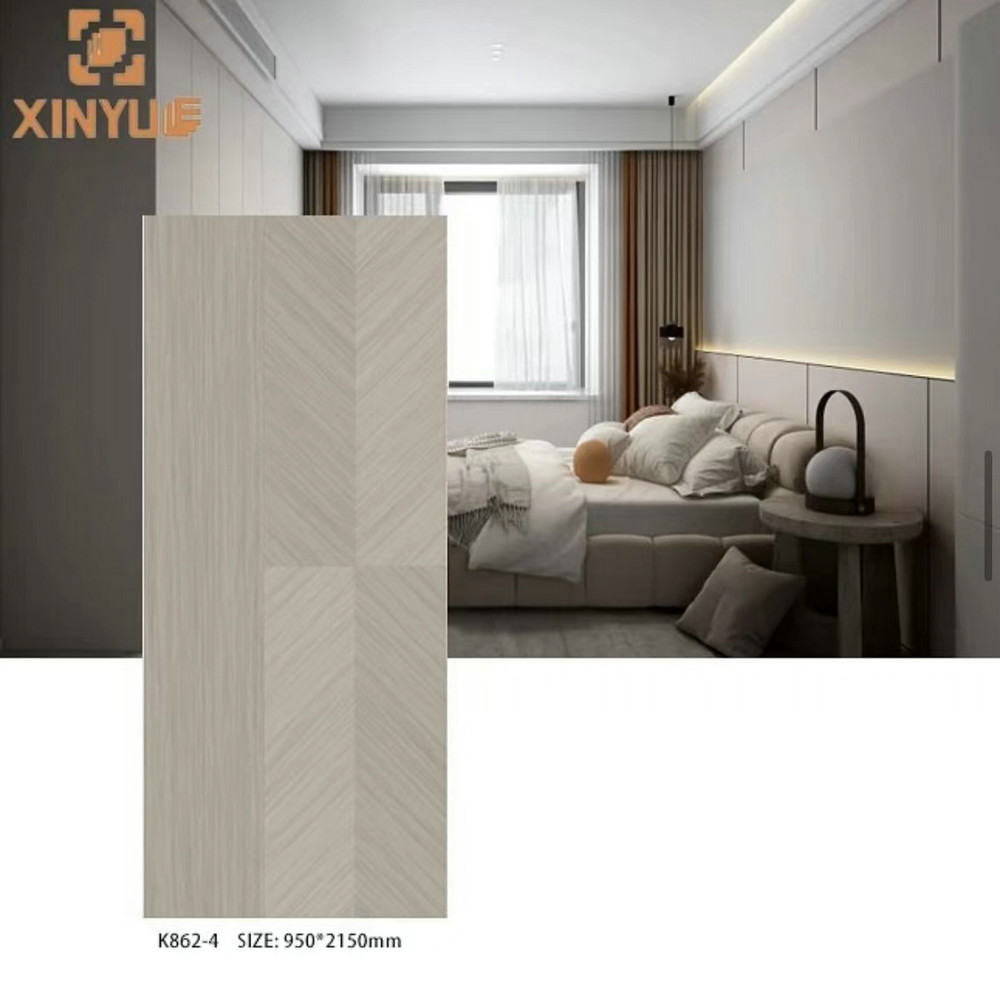
Proper installation is crucial to maintaining the integrity and appearance of flat synchronize door décor papers. Even the highest quality material can look poor if installed incorrectly.
The underlying board must be perfectly flat and smooth. Any imperfections in the MDF or particleboard will telegraph through the thin décor paper. Sand the substrate to a fine grit (at least 180-grit) and remove all dust. Ensure the moisture content of the substrate is between 8% and 12% to prevent warping after lamination.
Use high-quality PVA (polyvinyl acetate) or contact adhesives specifically designed for laminate bonding. Apply adhesive evenly using a roller or spray system to avoid bubbles. For large surfaces, a vacuum press is recommended to ensure uniform pressure and adhesion. Allow adequate curing time as per manufacturer instructions, typically 24 hours, before machining or handling.
When installing multiple doors or panels:
To achieve a truly seamless look, use matching edge banding made from the same synchronized paper. Apply edge banding with a hot-air edge bander for a strong bond. Trim excess material carefully with a sharp blade to avoid chipping the surface. Finish the edges with a fine file or sanding block to blend the seam invisibly.
One of the key advantages of flat synchronize door décor papers is their low maintenance requirements. With proper care, these surfaces can last for decades without significant wear.
Regular cleaning should be done with a soft, damp cloth and a mild detergent. Avoid abrasive scrubbers or harsh chemicals like bleach or ammonia, which can degrade the melamine resin over time. For stubborn stains, use a specialized laminate cleaner. Always dry the surface immediately after cleaning to prevent water from seeping into edges or seams.
While resistant to scratches, these surfaces are not indestructible. Avoid dragging heavy or sharp objects across the doors. Use felt pads under decorative items placed on shelves. In kitchens, use trivets for hot pots and pans, as extreme heat can cause localized damage or delamination. Although melamine is heat resistant up to a point, prolonged exposure to temperatures above 100°C should be avoided.
Minor scratches can often be concealed with wax fillers or touch-up markers that match the grain color. For deeper gouges or chips, professional repair kits involving epoxy fillers and color blending may be required. In cases of severe damage, replacing the affected panel is usually more cost-effective than attempting extensive repairs, especially since the synchronized pattern makes invisible patching difficult.
Flat synchronize door décor papers represent the pinnacle of affordable luxury in interior surfacing. By combining advanced printing technology with precise embossing, they offer the beauty of natural wood with the resilience of engineered materials. Whether for residential wardrobes, commercial offices, or kitchen renovations, these papers provide a sustainable, durable, and visually stunning solution that stands the test of time.
 Get Support
We focus on environmentally friendly, healthy, and fashionable home decoration, making your living space shine with unique charm.
Copyright © Hangzhou Xinyue Decorative Materials Co., Ltd. All rights reserved.
Custom Decorative Papers Manufacturers