English
 русский
 عربى
عربى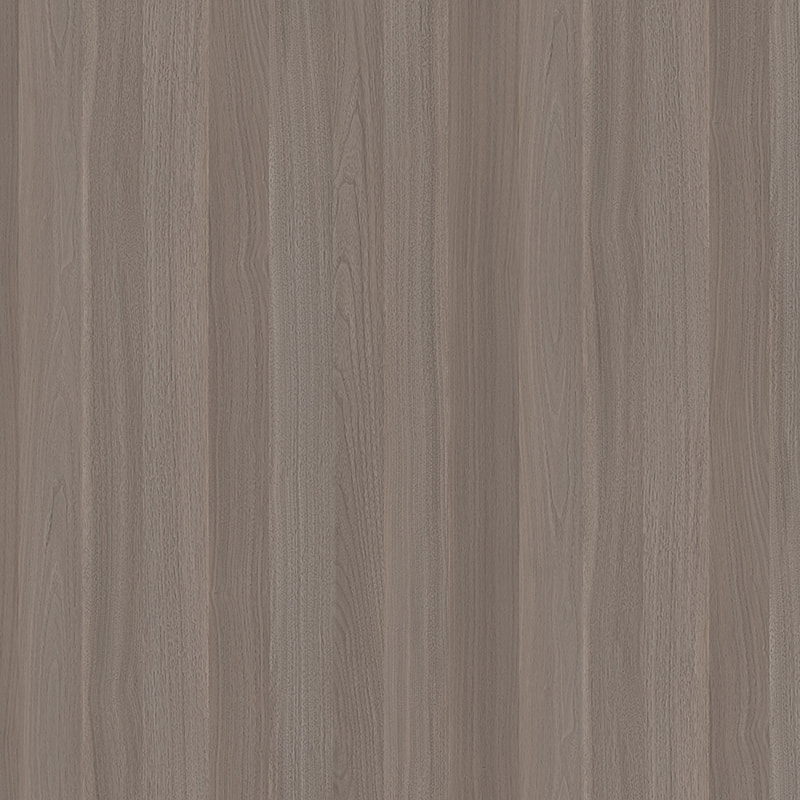
Share

Our team is proud to offer on time guarantee and product guarantee to customer satisfaction.
Read More
Content
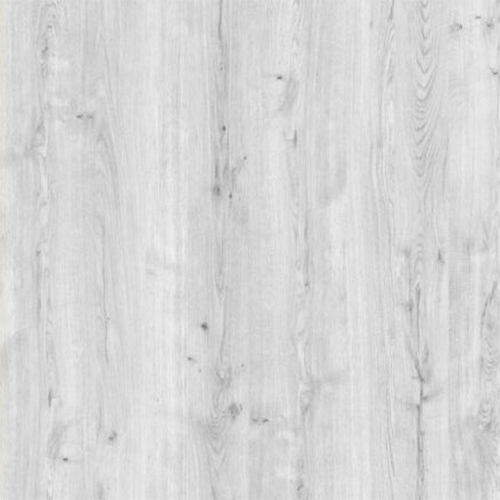
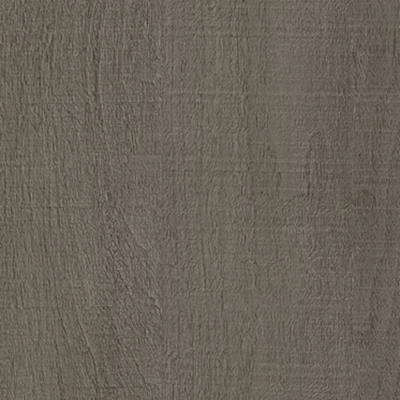
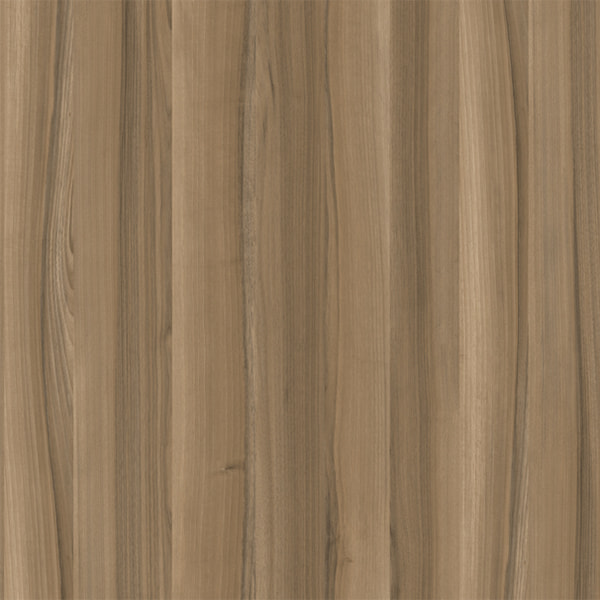
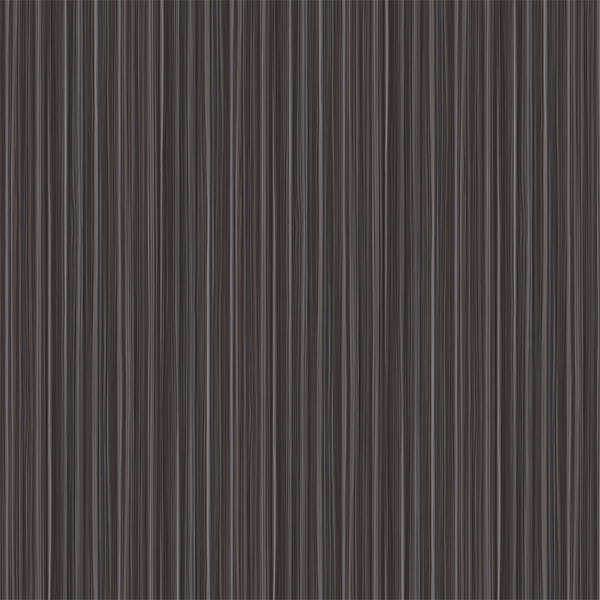
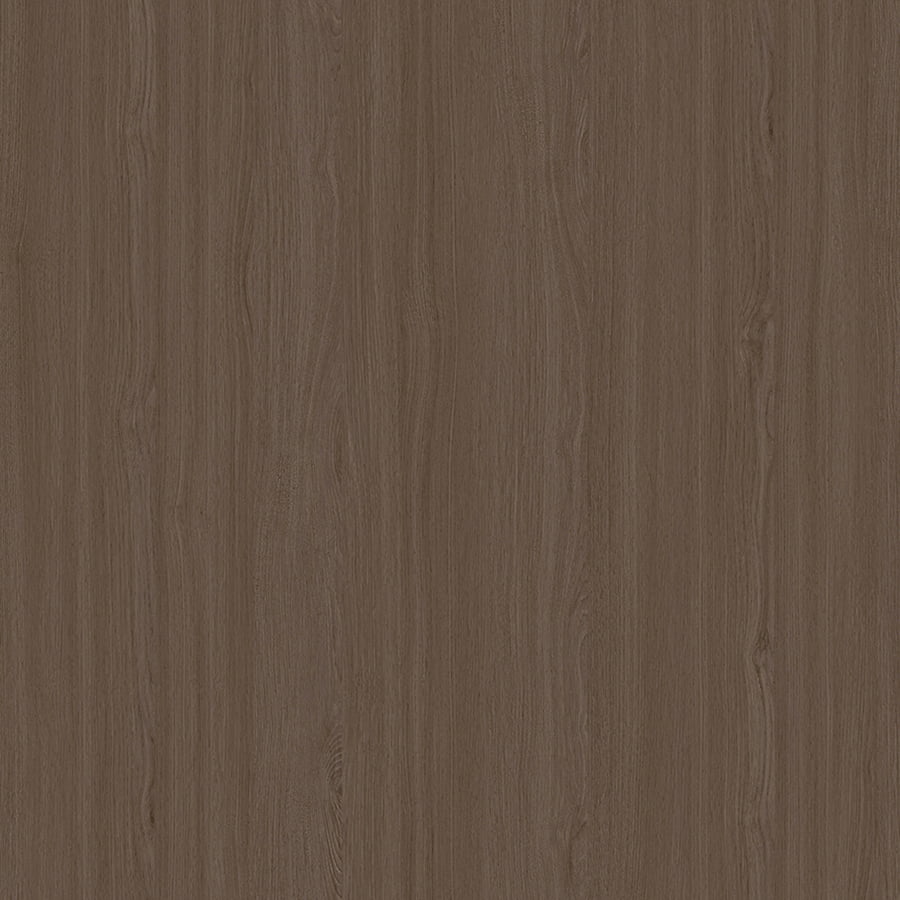
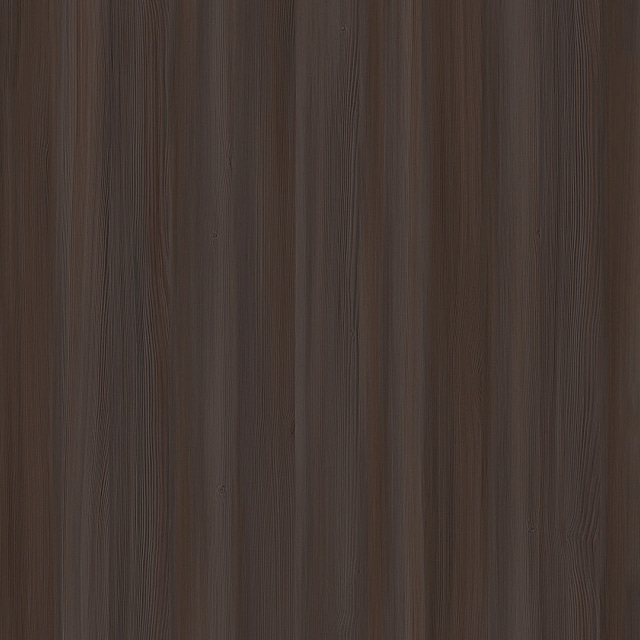
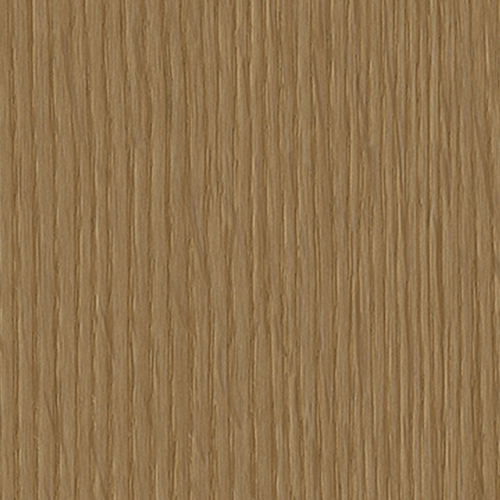
Wood grain decorative papers are purpose-designed printed or textured papers that replicate the visual appearance — and often the tactile surface — of natural wood species. They are used extensively in furniture manufacturing, interior fit-outs, cabinetry, flooring, and architectural panelling, offering a cost-effective, consistent, and environmentally sustainable alternative to solid timber veneers.
Unlike raw timber, decorative papers don't warp, split, or vary unpredictably across a production run. A single print design can replicate the exact grain, knot pattern, and colour tone of premium species like white oak, walnut, or teak — consistently across millions of square metres. For manufacturers and designers who need visual warmth without the cost and variability of solid wood, decorative paper is the most practical solution available.
The manufacturing process for wood grain decorative paper involves several tightly controlled steps that determine the final paper's appearance, durability, and compatibility with surface finishing systems.
Decorative papers begin with a specialised base stock — not standard printing paper. The base paper typically weighs between 60 and 150 gsm, with alpha-cellulose content often exceeding 85% to ensure dimensional stability and resistance to yellowing over time. The paper must be highly porous to absorb resin impregnation evenly, and uniformly opaque to prevent the substrate colour from showing through the printed design.
The wood grain pattern is applied using rotogravure printing — an intaglio process where an engraved copper cylinder transfers ink directly onto the paper surface. Gravure is preferred over digital or flexographic printing because it delivers exceptional tonal depth, fine detail reproduction, and print speeds exceeding 300 metres per minute, making it economically viable at industrial scale. Modern wood grain designs are often created by photographically scanning actual timber slices at high resolution, then digitally retouching and repeating the pattern seamlessly before the gravure cylinders are engraved.
After printing, the paper is impregnated with synthetic resins — most commonly melamine-formaldehyde (MF) or urea-formaldehyde (UF) — which transform the paper from a fragile printed sheet into a hardened, thermosetting surface layer. This step is central to the paper's performance: the resin content in a finished decorative paper typically ranges from 30% to 60% by weight, and the degree of cure determines surface hardness, scratch resistance, and bond strength to the substrate below.
Some high-performance decorative papers receive an additional overlay — a transparent top layer that adds extra abrasion resistance and allows embossing tools to impart a registered surface texture (such as open-pore wood grain) that aligns precisely with the printed pattern beneath.
Not all wood grain decorative papers are the same product. The category spans several distinct paper types that differ in structure, finishing chemistry, and end-use application.
| Paper Type | Structure | Typical Application | Surface Finish | Abrasion Class |
|---|---|---|---|---|
| Melamine Decorative Paper | MF-impregnated, single layer | MDF, particleboard furniture | Matt, gloss, textured | AC1–AC3 |
| HPL Decorative Paper | MF-impregnated + kraft core layers | Worktops, wall panels, flooring | High gloss to super matt | AC3–AC5 |
| LPL / Low Pressure Paper | Lightly impregnated, bonded at low pressure | Cabinet interiors, shelving | Smooth matt | AC1 |
| Foil-Base Decorative Paper | Printed paper laminated to PET or PP film | Wrapping profiles, edge banding | Gloss, soft-touch | AC2–AC3 |
| Overlay Paper | Transparent MF layer, applied over decor paper | Flooring wear layer, worktop protection | Clear, embossable | AC4–AC5 |
The AC (Abrasion Class) rating system — defined under EN 13696 and EN 14354 — measures how many revolutions of an abrasive wheel a laminate surface can withstand before the pattern beneath becomes visible. AC1 surfaces withstand around 900 revolutions; AC5 surfaces exceed 6,000. For flooring applications, AC3 (residential heavy use) is the minimum practical standard; for commercial flooring, AC4 or AC5 is required.
Decorative paper manufacturers invest heavily in pattern libraries that mirror current interior design trends. The most commercially demanded wood grain designs globally include:
Leading decorative paper manufacturers such as Schattdecor, Impress Surfaces, and Interprint publish annual trend collections that mirror forecasts from colour and material trend agencies — meaning the most current designs are updated every 12 to 18 months.
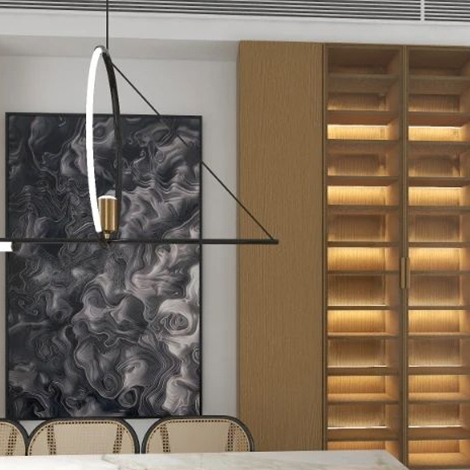
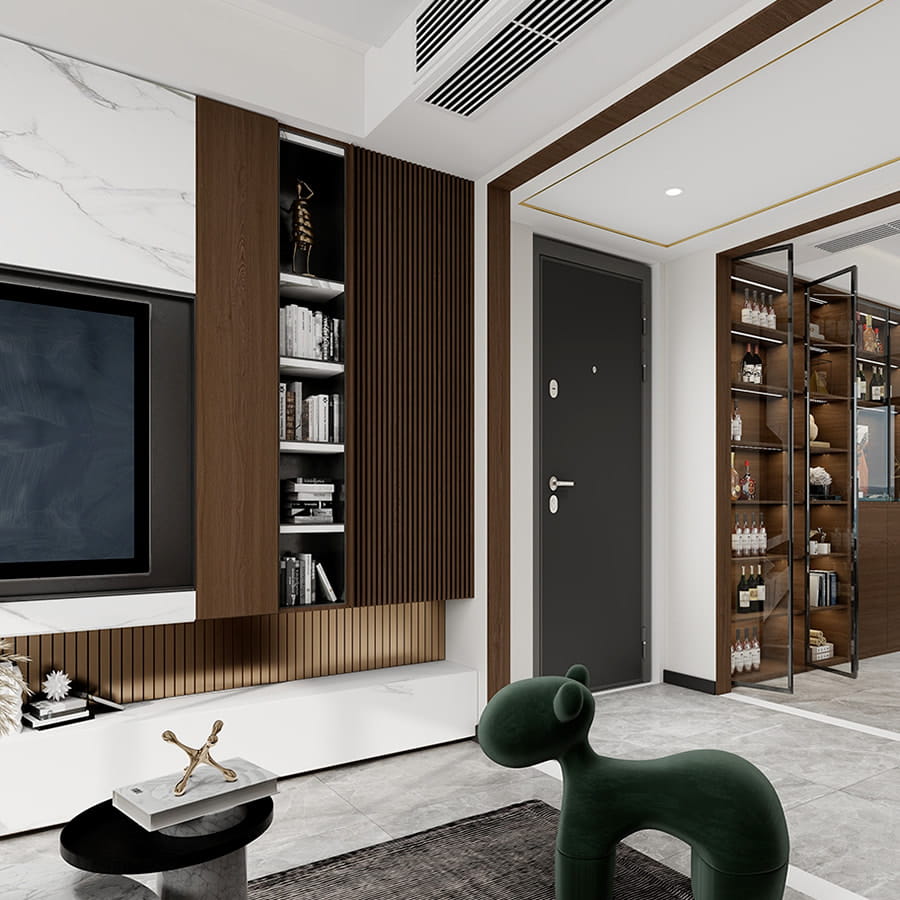
The applications for wood grain decorative papers extend well beyond furniture. Understanding the full range of end uses helps both manufacturers and specifiers identify the right paper grade for each context.
This is the largest single end-use sector. Flat-pack and ready-to-assemble (RTA) furniture relies almost entirely on melamine-faced boards — particleboard or MDF with wood grain decorative paper laminated to the surface under heat and pressure. The global melamine-faced board market was valued at over USD 12 billion in 2023, with wood grain designs accounting for the largest share of decorative paper demand within that segment. Kitchen cabinets, bedroom wardrobes, office desks, and retail shelving systems are all primary applications.
Laminate flooring uses a four-layer construction in which the decorative paper layer sits between a wear-resistant overlay above and a kraft paper core and backing board below. The wood grain pattern — combined with an embossed surface texture registered to match the print — creates a convincing timber-floor aesthetic. Registered emboss (EIR) technology aligns the surface texture with the grain lines of the printed pattern to within 0.1 mm, dramatically improving realism compared to general emboss textures.
High-pressure laminate (HPL) panels faced with wood grain decorative paper are used in commercial interiors including hotels, airports, hospitals, and retail environments. HPL's superior impact and moisture resistance makes it suitable for wall cladding in high-traffic areas where solid timber panelling would be damaged or impractical to maintain. A typical HPL panel is 0.8 to 25 mm thick, with the decorative paper providing the surface aesthetics across the entire range.
Interior hollow-core and solid-core doors are frequently faced with wood grain decorative paper, either applied directly as a melamine layer or as a foil wrap that conforms to moulded door profiles. Profile wrapping — where a thin foil-backed decorative paper is adhesive-bonded around shaped MDF mouldings — allows complex architectural details to carry a consistent wood grain appearance across an entire room without a single piece of solid timber.
At lighter gsm weights, wood grain decorative papers are used in premium packaging, gift wrap, book covering, and decorative craft applications. These papers prioritise print realism and tactile texture over technical hardness, and are typically not resin-impregnated — making them more flexible and easier to fold and cut by hand.
Choosing the right wood grain decorative paper for a specific application requires evaluating several technical parameters beyond the visual design. Overlooking these can result in delamination, surface failure, or incompatibility with the pressing or lamination process.
Both decorative papers and natural wood veneers serve similar visual purposes, but they differ substantially in cost, performance, and sustainability profile. Understanding these differences helps manufacturers and designers make informed material choices.
| Criteria | Wood Grain Decorative Paper | Natural Wood Veneer |
|---|---|---|
| Cost per m² | €0.50–€3.00 | €5.00–€40.00+ |
| Pattern Consistency | 100% repeatable across production runs | Natural variation between sheets |
| Moisture Resistance | High (melamine-faced) | Low–Medium (requires finishing) |
| Scratch Resistance | High (AC3–AC5 grades) | Medium (depends on finish) |
| Repairability | Limited (panel replacement required) | Can be sanded and refinished |
| Timber Consumption | None (paper-based) | Requires harvested timber |
| Lead Time and Availability | Ex-stock, immediate availability | Longer lead times; species-dependent |
| Authenticity / Premium Perception | Medium (varies by print quality) | High |
For mass-market furniture and commercial interiors, decorative paper is the economically and technically superior choice in the vast majority of applications. Natural veneer retains its position in bespoke furniture, restoration projects, and products where authentic material origin is a selling point.
As sustainability becomes a central consideration in material specification, wood grain decorative papers have several environmental advantages — as well as some areas where improvement is ongoing.
Because decorative papers replicate the appearance of tropical and slow-growing temperate species without requiring the timber itself, they remove pressure from forests that would otherwise be harvested for aesthetic purposes. One hectare of managed plantation timber can produce enough pulp for decorative paper to surface the equivalent of hundreds of hectares of furniture — a resource efficiency ratio that solid wood cannot approach.
The pulp used in base paper production can be certified under the Forest Stewardship Council (FSC) or Programme for the Endorsement of Forest Certification (PEFC) schemes, providing a chain-of-custody guarantee that the wood fibre originated from responsibly managed forests. Major decorative paper manufacturers increasingly offer certified paper grades to meet specifier requirements in green building rating systems such as LEED and BREEAM.
The melamine and urea-formaldehyde resins used in impregnation have historically been a concern due to formaldehyde off-gassing. Modern manufacturing has substantially reduced this through improved resin chemistry and curing processes. E0-class papers emit less than 0.05 mg/m³ of formaldehyde — well below WHO indoor air quality guidelines. Low-formaldehyde and formaldehyde-free resin systems are also entering commercial production, though they currently carry a cost premium.
The decorative paper industry is not static. Several significant developments are reshaping what these papers can look like, how they perform, and how they are produced.
 Get Support
We focus on environmentally friendly, healthy, and fashionable home decoration, making your living space shine with unique charm.
Copyright © Hangzhou Xinyue Decorative Materials Co., Ltd. All rights reserved.
Custom Decorative Papers Manufacturers