English
 русский
 عربى
عربى
Share

Our team is proud to offer on time guarantee and product guarantee to customer satisfaction.
Read More
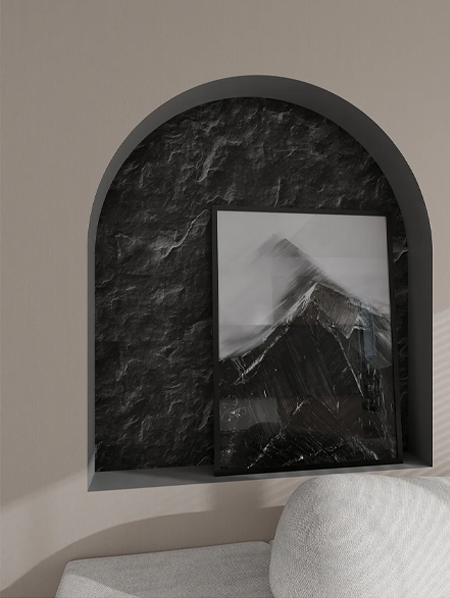
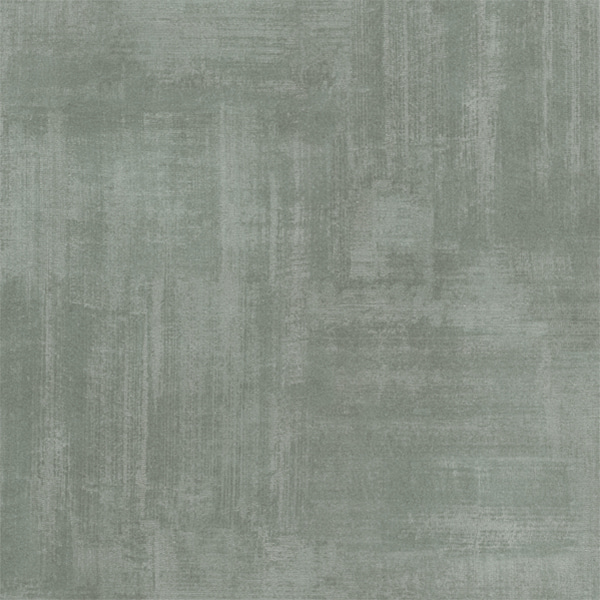
Fabric decorative papers are specialized wall coverings that combine the aesthetic warmth of textiles with the durability and ease of paper-based materials. These innovative surfaces offer a sophisticated alternative to traditional paint or vinyl wallpapers, providing tactile depth, acoustic benefits, and unique visual patterns that elevate interior spaces in residential and commercial settings.
Content
Understanding the structure of fabric decorative papers reveals why they perform differently than standard wallpapers. The material is typically a composite engineered for both beauty and function.
Most high-quality fabric decorative papers consist of three distinct layers. The backing layer is usually a non-woven polyester or paper substrate that provides dimensional stability and ease of installation. The middle layer often contains a foam or fibrous buffer that adds depth and sound-absorbing qualities. The top layer features the actual fabric element, which can be natural fibers like silk, linen, or cotton, or synthetic blends designed for enhanced durability.
The fabric is bonded to the substrate using advanced adhesive technologies. Heat lamination and solvent-free adhesives are commonly used to ensure the fabric remains securely attached without bubbling or peeling over time. This bonding process must balance flexibility with strength, allowing the material to expand and contract slightly with temperature changes without compromising integrity.
To make natural fabrics viable for wall coverings, manufacturers apply protective coatings. These treatments include:
Fabric decorative papers offer distinct advantages that justify their premium positioning in the interior design market. These benefits extend beyond mere aesthetics to include functional improvements in room comfort and longevity.
One of the most significant advantages is sound absorption. The porous nature of fabric fibers helps dampen ambient noise, reducing echo and reverberation in hard-surfaced rooms. Studies indicate that fabric wall coverings can improve room acoustics by absorbing up to 30% more sound energy than painted drywall or vinyl wallpaper, making them ideal for home theaters, offices, and dining areas.
The additional layer of material provides a modest but noticeable thermal barrier. While not a replacement for proper insulation, fabric decorative papers can reduce heat loss through walls by trapping air within the fiber structure. This contributes to energy efficiency and creates a warmer tactile experience when touching the walls.
Unlike flat paint or printed vinyl, fabric decorative papers offer genuine texture. Light interacts with the woven fibers to create subtle shadows and highlights that change throughout the day. This dynamic quality adds visual interest and sophistication, allowing designers to create focal walls or entire rooms with a luxurious feel.
Durability| Feature | Fabric Decorative Paper | Vinyl Wallpaper | Paint |
|---|---|---|---|
| Texture | High (Natural) | Low (Embossed) | None |
| Sound Absorption | Excellent | Poor | Poor |
| Good to Excellent | Excellent | Variable | |
| Installation Difficulty | Moderate | Easy | Easy |
| Cost per Sq. Ft. | $5 - $15+ | $2 - $8 | $1 - $4 |
Fabric decorative papers come in various compositions, each suited to different environments and design styles. Selecting the right type depends on traffic levels, moisture exposure, and aesthetic preferences.
Materials like grasscloth, jute, hemp, and silk offer authentic organic textures. Grasscloth, made from hand-woven natural grasses, is particularly popular for its rustic elegance and variation in tone. However, natural fibers are more susceptible to staining and moisture damage, making them best suited for low-traffic areas like bedrooms and formal dining rooms.
Polyester, nylon, and acrylic blends mimic the look of natural fabrics while offering superior durability and stain resistance. These materials are often treated with protective coatings that allow for gentle cleaning, making them suitable for hallways, living rooms, and commercial spaces. They also tend to be more colorfast and less prone to fading.
Advanced printing technologies allow manufacturers to print realistic fabric patterns onto paper or vinyl substrates. While these lack the tactile depth of true fabric coverings, they offer a cost-effective alternative with a wide range of design options. High-end digital prints can closely replicate the appearance of linen, velvet, or embroidered textiles.
Proper installation is critical to achieving a seamless and long-lasting finish. Fabric decorative papers require more precision than standard wallpapers due to their texture and material sensitivity.
Walls must be clean, dry, and smooth before installation. Any imperfections in the drywall may show through thinner fabric coverings. Apply a high-quality primer sized for the specific adhesive recommended by the manufacturer. Ensure the room temperature is between 65°F and 75°F (18°C - 24°C) during installation to allow proper adhesive curing.
Use only the adhesive specified by the fabric paper manufacturer. Heavyweight fabric coverings often require heavy-duty, pre-mixed vinyl adhesives or clear-stripping adhesives that do not discolor the fabric. Avoid pastes with high water content for natural fibers, as excessive moisture can cause shrinking or staining.
Follow these steps for optimal results:
Maintaining the beauty of fabric decorative papers requires regular care and prompt attention to spills. Proper maintenance extends the life of the covering and preserves its aesthetic appeal.
Dust fabric walls regularly using a soft-bristle brush attachment on a vacuum cleaner or a microfiber duster. This prevents dirt accumulation in the textile weave. For synthetic blends, occasional wiping with a damp (not wet) cloth and mild detergent solution is acceptable. Always test cleaning methods in an inconspicuous area first.
Address spills immediately by blotting, not rubbing, with a clean, absorbent cloth. For oil-based stains on treated synthetics, use a specialized fabric cleaner. Natural fibers like silk or grasscloth are difficult to clean and may require professional restoration services for significant stains. Avoid harsh chemicals, abrasives, or excessive water.
Protect fabric decorative papers from direct sunlight to prevent fading. Use UV-filtering window treatments in rooms with large windows. Maintain consistent humidity levels between 40% and 60% to prevent material expansion, contraction, or mold growth. In high-humidity areas like bathrooms, ensure adequate ventilation or choose specifically rated moisture-resistant fabric coverings.
Fabric decorative papers provide a unique blend of elegance, comfort, and functionality that transforms interior spaces. By understanding the material types, installation requirements, and care protocols, homeowners and designers can leverage these coverings to create enduring, sophisticated environments. Whether aiming for acoustic improvement, thermal comfort, or purely aesthetic enhancement, fabric decorative papers offer a versatile solution for modern interior design challenges.
 Get Support
We focus on environmentally friendly, healthy, and fashionable home decoration, making your living space shine with unique charm.
Copyright © Hangzhou Xinyue Decorative Materials Co., Ltd. All rights reserved.
Custom Decorative Papers Manufacturers