English
 русский
 عربى
عربى
Share

Our team is proud to offer on time guarantee and product guarantee to customer satisfaction.
Read More
Content
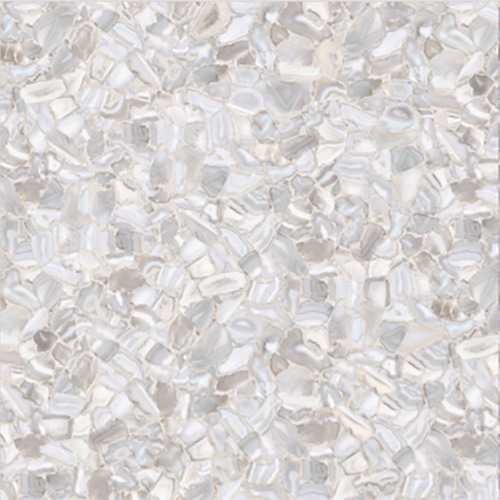
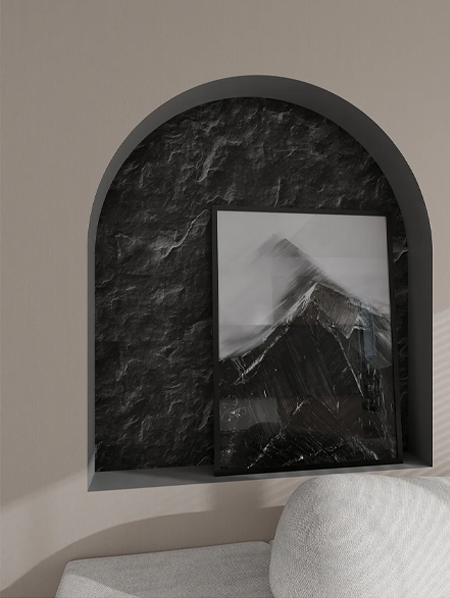
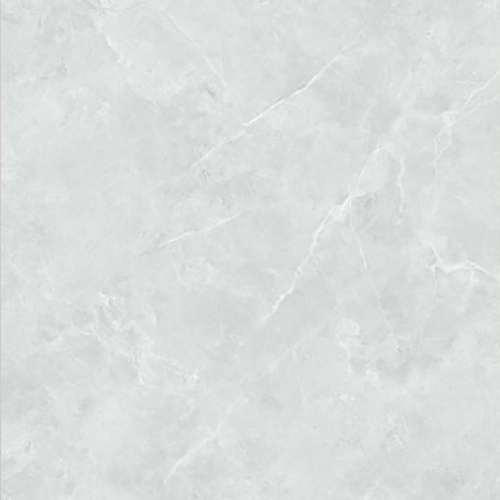
Stone pattern decorative papers provide a cost-effective, lightweight, and versatile alternative to natural stone cladding, delivering the aesthetic appeal of marble, granite, slate, or limestone without the structural weight or installation complexity. These specialized papers use advanced printing technologies to replicate the intricate veining, texture, and color variations found in natural stone, making them ideal for residential renovations, commercial spaces, and furniture finishes.
Unlike traditional stone installations that require professional masons and significant structural support, stone pattern papers can be applied by DIY enthusiasts using basic adhesive techniques. This accessibility has driven a 35% increase in adoption among interior designers seeking budget-friendly solutions that maintain high-end visual standards.
Understanding the different categories of stone pattern papers helps you select the right product for your specific application and durability requirements.
These are thin, printed papers typically used as surface layers for laminate flooring, countertops, and cabinet doors. Standard decorative papers range from 80-120 grams per square meter (gsm) and require impregnation with melamine resin before application. They offer excellent color consistency and are available in hundreds of stone patterns, from classic Carrara marble to contemporary concrete looks.
Self-adhesive stone pattern papers feature a pressure-sensitive backing that allows direct application to smooth surfaces without additional adhesives. These vinyl-based products typically measure 0.15-0.2mm in thickness and include protective top coatings that resist moisture, scratches, and UV fading. They are particularly popular for rental property upgrades and temporary design changes.
HPL decorative papers are heavier, ranging from 150-250 gsm, and are designed for commercial-grade applications requiring superior durability. When layered with kraft paper cores and cured under high pressure and temperature, these papers create surfaces resistant to impact, chemicals, and heavy traffic. Common uses include office partitions, retail fixtures, and healthcare facility walls.
| Paper Type | Thickness/Weight | Best Application | Durability Rating | Cost Range |
|---|---|---|---|---|
| Standard Laminate | 80-120 gsm | Furniture, cabinets | Moderate | $ |
| Self-Adhesive Vinyl | 0.15-0.2mm | Walls, DIY projects | Low-Moderate | $ |
| HPL Paper | 150-250 gsm | Commercial surfaces | High | $$ |
The variety of stone patterns available continues to expand, reflecting evolving interior design preferences and technological advancements in printing resolution.
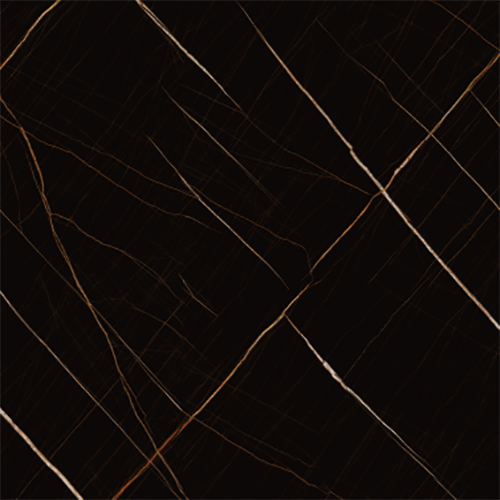
Marble remains the most requested stone pattern, with Carrara white, Calacatta gold, and Nero Marquina black leading consumer preferences. Modern digital printing captures the subtle gray veining and crystalline structure of natural marble with remarkable accuracy. Recent trends favor large-format patterns that minimize visible repeats, creating seamless appearances on expansive wall surfaces.
Industrial-chic aesthetics have driven demand for concrete-patterned papers featuring realistic pore structures, tonal variations, and occasional aggregate exposures. These patterns work exceptionally well in modern minimalist spaces, providing neutral backdrops that complement bold furniture pieces and artwork. Light gray concrete patterns dominate residential applications, while darker charcoal tones suit commercial environments.
Slate patterns offer textured, layered appearances with earthy tones ranging from deep blues to warm rusts. Travertine designs feature characteristic pitting and linear veining that adds organic warmth to bathrooms and kitchens. Both patterns perform well in high-moisture areas when paired with appropriate sealants and protective coatings.
Terrazzo patterns, characterized by colorful chip inclusions within neutral matrices, have surged in popularity for accent walls and furniture surfaces. Quartz-inspired designs mimic engineered stone's uniform sparkle and consistent patterning, appealing to consumers seeking predictable aesthetics without natural stone's variability.
Proper installation ensures stone pattern decorative papers achieve their intended visual impact and longevity. Following systematic preparation and application methods prevents common issues like bubbling, peeling, or pattern misalignment.
Surface preparation accounts for 70% of successful paper installation outcomes. Begin by thoroughly cleaning the target surface with mild detergent and water to remove dust, grease, and existing finishes. Sand glossy surfaces lightly to improve adhesive bonding, then wipe away all sanding residue. Fill cracks, holes, or imperfections with appropriate filler compounds and allow complete drying before proceeding.
While stone pattern decorative papers offer numerous advantages, understanding their limitations and maintenance requirements ensures long-term satisfaction.
The durability of stone pattern papers depends on several factors including paper quality, protective coatings, and installation location. High-pressure laminate papers with melamine overlays withstand 500-1,000+ rub cycles in standardized abrasion tests, making them suitable for high-traffic commercial environments. Self-adhesive vinyl papers typically endure 100-300 rub cycles, appropriate for residential walls and low-use furniture surfaces.
Most decorative papers exhibit limited resistance to prolonged moisture exposure and extreme temperatures. Avoid installing standard decorative papers in shower enclosures, sauna rooms, or directly behind stovetops where heat exceeds 180°F (82°C). For bathroom applications, choose vinyl-based papers with waterproof ratings and ensure adequate ventilation to prevent moisture accumulation behind the paper layer.
Proper maintenance extends the lifespan of stone pattern decorative papers significantly:
Understanding the financial implications helps justify the choice of stone pattern decorative papers for budget-conscious projects.
| Material Type | Material Cost per Sq Ft | Installation Cost per Sq Ft | Total Project Cost per Sq Ft | Installation Time |
|---|---|---|---|---|
| Natural Marble | $40-$100 | $15-$25 | $55-$125 | 3-5 days |
| Engineered Quartz | $50-$90 | $15-$20 | $65-$110 | 2-4 days |
| Stone Pattern HPL | $8-$15 | $5-$10 | $13-$25 | 1-2 days |
| Self-Adhesive Vinyl | $2-$5 | $0-$3 (DIY) | $2-$8 | Hours |
Stone pattern decorative papers reduce total project costs by 70-85% compared to natural stone installations, while eliminating the need for structural reinforcements required by heavy stone slabs. This cost efficiency makes high-end stone aesthetics accessible for renters, budget renovations, and large-scale commercial projects where material expenses must be controlled.
Innovative designers continue discovering unconventional uses for stone pattern decorative papers, expanding their role in interior and product design.
Applying stone pattern papers to dated furniture pieces transforms inexpensive items into statement pieces. Dressers, nightstands, and bookcases gain sophisticated marble or granite appearances at fraction of replacement costs. The technique works particularly well for flat-panel furniture where seam visibility is minimized.
Ceilings represent underutilized design opportunities. Stone pattern papers applied to ceiling surfaces create dramatic focal points in dining rooms, entryways, and home offices. Light-colored marble patterns reflect ambient light, making rooms feel more spacious and airy compared to dark painted ceilings.
Retail stores and restaurants use stone pattern papers for temporary promotional displays, pop-up shop interiors, and seasonal decor changes. The ability to replace entire wall treatments in hours rather than days supports agile marketing strategies and brand refreshes without construction downtime.
Architects and model makers utilize small-format stone pattern papers to create realistic scale representations of building facades and interior finishes. The precision of modern printing ensures accurate material representation in presentation models.
As sustainability concerns influence material choices, understanding the environmental profile of stone pattern decorative papers becomes increasingly important.
Producing decorative papers consumes 90% less energy and generates 85% fewer carbon emissions compared to quarrying, transporting, and processing natural stone. Paper manufacturing utilizes renewable wood pulp sources, with many manufacturers sourcing from Forest Stewardship Council (FSC) certified forests ensuring responsible forestry practices.
Stone pattern papers weigh approximately 95% less than equivalent stone slabs, dramatically reducing transportation fuel consumption and associated emissions. A truck carrying decorative papers can supply materials for dozens of projects, whereas stone shipments typically serve single large installations due to weight restrictions.
While traditional laminated papers present recycling challenges due to resin integration, emerging bio-based adhesives and separable layer technologies improve recyclability. Vinyl-based self-adhesive papers can be removed intact and potentially recycled through specialized vinyl recycling programs. Manufacturers increasingly offer take-back programs for commercial installations, diverting waste from landfills.
Modern decorative papers utilize water-based inks and low-VOC (volatile organic compound) adhesives, improving indoor air quality during and after installation. Look for products certified by GREENGUARD Gold or similar organizations verifying minimal chemical emissions suitable for sensitive environments like schools and healthcare facilities.
 Get Support
We focus on environmentally friendly, healthy, and fashionable home decoration, making your living space shine with unique charm.
Copyright © Hangzhou Xinyue Decorative Materials Co., Ltd. All rights reserved.
Custom Decorative Papers Manufacturers