English
 русский
 عربى
عربى

Share

Our team is proud to offer on time guarantee and product guarantee to customer satisfaction.
Read More
Content
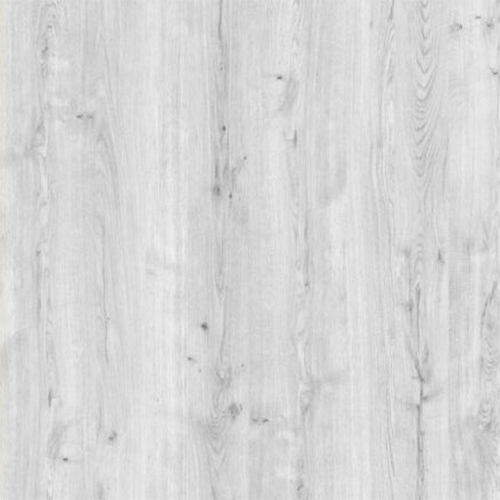
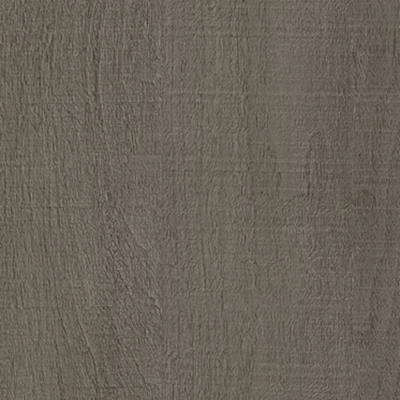
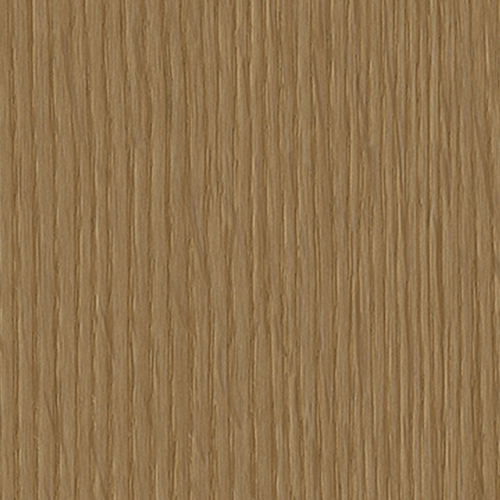
Wood grain decorative papers are the critical aesthetic layer in laminate flooring, furniture, and wall panels. Their primary value proposition is delivering the visual warmth of natural timber with enhanced consistency and durability. By selecting the right paper grade and print technology, manufacturers can achieve cost savings of up to 40% compared to real wood veneers while maintaining high consumer appeal.
This guide focuses on the practical aspects of sourcing, processing, and troubleshooting wood grain decorative papers. It provides actionable insights for procurement managers and production engineers to minimize waste and ensure superior finish quality in final products.
The visual quality of wood grain decorative papers depends heavily on the printing method used. While rotogravure printing remains the industry standard for high-volume production, digital inkjet printing is gaining traction for short runs and customized designs.
Rotogravure uses engraved cylinders to transfer ink onto the paper. This method offers high speed and consistent color reproduction, essential for large furniture batches. Modern gravure printers can achieve a resolution of 120-150 lines per inch, capturing fine wood pores and grain details. However, cylinder engraving costs are high, making this method less suitable for small, customized orders.
Digital printing eliminates the need for engraved cylinders, allowing for rapid design changes and variable data printing. It is ideal for creating unique, non-repeating wood grain patterns that mimic the natural variation of real timber. Although slower than gravure, digital printing reduces setup time by up to 80%, making it cost-effective for bespoke interior projects.
| Feature | Rotogravure | Digital Inkjet |
|---|---|---|
| Setup Cost | High (Cylinder Engraving) | Low (Digital File) |
| Run Length Suitability | Long Runs (>10,000m) | Short/Medium Runs |
| Pattern Repetition | Fixed Repeat Length | Random/Non-Repeating |
The transformation of printed paper into a durable surface occurs during impregnation and lamination. Proper control of resin saturation and pressing parameters is vital to prevent defects such as blistering, delamination, or poor surface clarity.
During impregnation, the paper absorbs melamine resin. The target resin content is typically 55-65% for standard decorative papers. Insufficient resin leads to dry spots and poor bonding, while excess resin causes flow-out issues and sticking during pressing. Regular monitoring of volatile content ensures optimal curing behavior.
Lamination requires precise temperature, pressure, and time controls. For low-pressure laminates (LPL), typical pressing conditions are 180-200°C at 20-30 bar for 15-25 seconds. Deviations can cause scorching (too hot) or incomplete curing (too cool). Using release films or textured press plates can enhance surface finish and reduce maintenance frequency.
Even with advanced technology, defects can occur in wood grain decorative papers. Identifying the root cause quickly minimizes waste and ensures consistent product quality. Most issues stem from paper handling, ink formulation, or pressing conditions.
Color inconsistency between batches is a common complaint. This often results from variations in ink viscosity or drying temperatures during printing. Implementing strict spectrophotometer checks against master standards ensures delta E values remain below 1.0, guaranteeing visual consistency. Additionally, using UV-stable inks prevents fading in sun-exposed applications.
Blistering occurs when trapped volatiles expand during pressing. This is often due to high moisture content in the paper or substrate. Ensuring paper moisture content is between 6-8% before impregnation mitigates this risk. Delamination, on the other hand, usually indicates insufficient resin flow or contaminated substrate surfaces.
Effective sourcing of wood grain decorative papers involves balancing quality, lead time, and cost. Building strong relationships with suppliers and understanding market dynamics can lead to significant competitive advantages.
When evaluating suppliers, prioritize those with ISO 9001 certification and robust R&D capabilities. Request sample kits to test print quality, resin absorption, and color stability. A reliable supplier should provide technical data sheets (TDS) for each batch, detailing key parameters like basis weight, resin content, and volatile matter.
Standard wood grain patterns (e.g., Oak, Walnut, Maple) should be kept in stock to reduce lead times. Custom designs require longer lead times due to cylinder engraving or digital setup. Collaborating with suppliers on forecast-driven production can reduce inventory holding costs while ensuring availability of popular designs.
 Get Support
We focus on environmentally friendly, healthy, and fashionable home decoration, making your living space shine with unique charm.
Copyright © Hangzhou Xinyue Decorative Materials Co., Ltd. All rights reserved.
Custom Decorative Papers Manufacturers